

Treaty of Paris Signed: Spanish Empire Ends
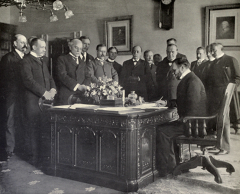
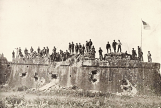
Spain ceded Cuba, Puerto Rico, Guam, and the Philippines to the United States under the Treaty of Paris, ratified by the Senate on February 6, 1899, by a single vote more than the required two-thirds majority. The US paid Spain million for the Philippines, a transaction that turned America into a colonial power controlling territories across two oceans. Cuba was granted nominal independence under the Platt Amendment, which gave the US the right to intervene in Cuban affairs and maintain a naval base at Guantanamo Bay. The Philippines resisted American rule immediately: the Philippine-American War broke out three days before the treaty was ratified and killed over 200,000 Filipino civilians through combat, disease, and famine. The treaty ended four centuries of Spanish colonial presence in the Americas and Pacific, transferring that imperial burden to a nation that had fought its own revolution against colonial rule 123 years earlier.
February 6, 1899
127 years ago
Key Figures & Places

What Else Happened on February 6
Julius I became pope in 337 by waiting. The previous pope died. The Roman clergy wanted Julius. But Emperor Constantius II wanted someone else — someone who'd s…
Hormizd IV lost his throne because he tried to tax the nobility and protect Christians. His brothers-in-law led the coup — Vistahm and Vinduyih, both military c…
The Vatican needed eight years to figure out who controlled the Philippines' souls. Spain claimed it. Portugal said the islands fell on their side of the Pope's…
Charles II became king of exactly one-third of his supposed realm. Six days after his father's execution, Scotland's Parliament declared him monarch. England re…
James II ascended the throne following his brother Charles II’s death, immediately sparking intense political friction by openly practicing Catholicism in a sta…
Dandara of Palmares chose death over re-enslavement after her capture, cementing her status as a defiant symbol of resistance within Brazil’s Quilombo communiti…
Talk to History
Have a conversation with historical figures who witnessed this era. Ask questions, explore perspectives, and bring history to life.