

Slave Trade Ends: US Abolishes International Commerce in 1807
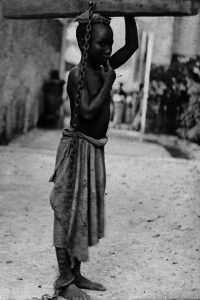
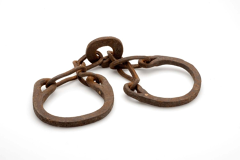
The US Congress banned the importation of enslaved people effective January 1, 1808, the earliest date permitted under Article I, Section 9 of the Constitution. President Jefferson signed the law on March 2, 1807. The legislation classified international slave trading as piracy, punishable by death after 1820, and authorized the Navy to patrol the African coast and Caribbean waters to intercept slave ships. Enforcement was inconsistent: the US Navy assigned only a handful of vessels to the African Squadron, which captured fewer than 100 ships in fifty years. Meanwhile, the domestic slave trade exploded. Between 1790 and 1860, roughly one million enslaved people were forcibly relocated from the Upper South to the cotton plantations of the Deep South through internal sales and forced marches. The ban on international trade actually increased the value of enslaved people already in the country, making the institution more economically entrenched rather than less. Abolition of slavery itself required a civil war and a constitutional amendment.
March 2, 1807
219 years ago
Key Figures & Places


What Else Happened on March 2
Belisarius commanded just 5,000 men inside Rome when 150,000 Ostrogoths arrived at the walls. The Byzantine general knew he couldn't hold the city through conve…
He ruled for exactly one year and seventeen days. Louis V, crowned King of the Franks at age twenty, had the shortest reign of any Carolingian monarch—cut down …
Louis V ascended the throne of West Francia following his father Lothaire’s death, inheriting a crown stripped of its former authority. His brief, ineffective r…
A sixteen-year-old inherited a waterlogged backwater that nobody wanted. Dirk VI became Count of Holland in 1121, taking control of marshlands so worthless that…
Assassins struck down Charles the Good while he knelt in prayer at the Church of Saint Donatian in Bruges. His sudden death triggered a violent succession crisi…
The Byzantine emperor didn't even try to save it. Nicaea — where the Christian Church had defined the nature of Christ itself a thousand years earlier — fell to…
Talk to History
Have a conversation with historical figures who witnessed this era. Ask questions, explore perspectives, and bring history to life.