

Japan Earthquake Triggers Tsunami and Nuclear Meltdown
A 9.0-magnitude earthquake struck 70 kilometers east of the Oshika Peninsula on March 11, 2011, generating a tsunami that reached heights of up to 40 meters along the Sendai coast. The wave traveled up to 10 kilometers inland, sweeping away entire towns. Nearly 20,000 people were killed, most by drowning. The tsunami also overwhelmed the seawall at the Fukushima Daiichi nuclear power plant, knocking out the backup generators that cooled the reactors. Three of six reactors suffered meltdowns over the following days, releasing radioactive material that forced the evacuation of 154,000 people within a 20-kilometer radius. It was the worst nuclear disaster since Chernobyl in 1986. Japan shut down all 54 of its nuclear reactors for safety reviews. Over a decade later, most remain offline, and the cleanup at Fukushima is expected to take forty years. The disaster prompted Germany to permanently abandon nuclear power, while other nations reassessed reactor safety standards worldwide.
March 11, 2011
15 years ago
Key Figures & Places
International Nuclear Event Scale
Wikipedia
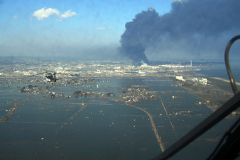
earthquake
Wikipedia
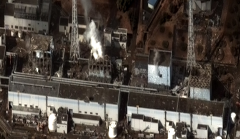
second largest nuclear accident
Wikipedia
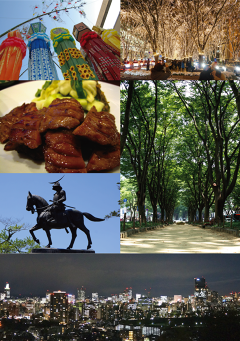
Sendai
Wikipedia
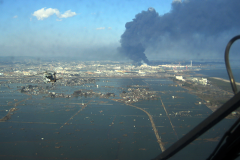
tsunami
Wikipedia

2011 Tōhoku earthquake and tsunami
Wikipedia

Sendai
Wikipedia

Fukushima nuclear accident
Wikipedia

International Nuclear and Radiological Event Scale
Wikipedia

Japan
Wikipedia

Meiji era
Wikipedia

Ryukyu Islands
Wikipedia

Okinawa Prefecture
Wikipedia

magnitude
Wikipedia

Tsunami
Wikipedia

Asia Oriental
Wikipedia

Fukushima Prefecture
Wikipedia
Moment magnitude scale
Wikipedia

Tokyo
Wikipedia

Fukushima Daiichi Nuclear Power Plant
Wikipedia
What Else Happened on March 11
The Praetorian Guard didn't just kill the eighteen-year-old emperor—they erased him. After stabbing Elagabalus and his mother Julia Soaemias in a palace latrine…
She'd been ruling for a child emperor — her three-year-old son Michael III — when Theodora risked everything to reverse a policy that had torn the Byzantine Emp…
The Pope refused to create the archbishopric for seven years because he didn't trust King John of Bohemia's loyalty. Charles IV, John's son, had to wait until h…
John Hawkwood’s tactical brilliance dismantled the Veronese army at the Battle of Castagnaro, securing a decisive victory for Padua. By utilizing flooded fields…
English mercenary captain Sir John Hawkwood deployed a feigned retreat to draw Verona's forces into a devastating ambush at Castagnaro, delivering Padua a decis…
The Jesuits armed thousands of Indigenous converts with European muskets and cavalry tactics, then watched them outmaneuver Portuguese slave raiders at their ow…
Talk to History
Have a conversation with historical figures who witnessed this era. Ask questions, explore perspectives, and bring history to life.