

First TV from Space: TIROS-1 Revolutionizes Global View
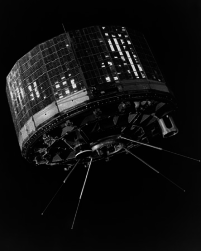
TIROS-1 weighed only 270 pounds but carried two miniature television cameras that transmitted 22,952 cloud-cover photographs during its 78-day operational life. Before this satellite, weather forecasting relied on scattered ground stations, balloon soundings, and ship reports. Meteorologists could now watch storm systems develop from above. The first image showed thick cloud bands over the Gulf of St. Lawrence. Within two years, TIROS satellites had identified every major tropical cyclone, saving thousands of lives by providing advance warning. The program evolved into NOAA's operational weather satellite system, which today provides the real-time data behind every forecast you check on your phone.
April 1, 1960
66 years ago
Key Figures & Places




What Else Happened on April 1
He handed over half an empire to his friend Maximian, splitting Rome's control between East and West in 286. That wasn't just a new boss; it was a desperate gam…
A four-year-old named Jin Chengdi sat on a throne that felt too big, his small hands gripping wood while eunuchs whispered in his ear. His father, Mingdi, had d…
Soldiers dragged Majorian from the mud of Placentia and shouted his name until the sun set. He wasn't a senator or a general's son; he was just a common soldier…
Justinian I ascended to co-emperor alongside his uncle, Justin I, securing a transition that consolidated imperial power in Constantinople. This partnership all…
She sat on the throne for exactly one day, wearing her father's crown while her mother, Empress Dowager Hu, pretended the world hadn't just exploded. In 528, Yu…
Three days of looting turned Constantinople's grand streets into a chaotic river of stolen silver and weeping merchants before Alexios I Komnenos finally took h…
Talk to History
Have a conversation with historical figures who witnessed this era. Ask questions, explore perspectives, and bring history to life.