

Rush-Bagot Treaty: Great Lakes Become Peaceful Border
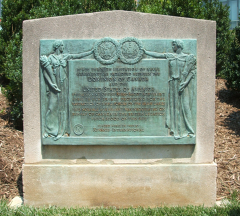
The Rush-Bagot Agreement, signed on April 28-29, 1817, and ratified by the Senate on April 16, 1818, limited naval armaments on the Great Lakes and Lake Champlain to one vessel of no more than 100 tons with a single 18-pound cannon on each side. The agreement followed the War of 1812, which had featured significant naval combat on the Great Lakes. The treaty is often cited as the beginning of the longest undefended border in the world, though land fortifications continued on both sides for decades. It did not immediately demilitarize the border; rather, it prevented an expensive naval arms race that neither nation could afford. The agreement has been modified several times but remains in force over 200 years later.
April 16, 1818
208 years ago
Key Figures & Places


What Else Happened on April 16
Pharaoh Thutmose III squeezed through a narrow pass called Megiddo, risking his army to outflank a coalition of Canaanite kings. He didn't just win; he stripped…
Thutmose III didn't march through the narrow pass; he marched right past the enemy's flank, catching the Canaanite coalition completely off guard. Over a thousa…
Otho killed himself just three months after taking the throne. His troops had lost at Bedriacum to Vitellius, and the emperor decided a quick death was better t…

The Jewish defenders of Masada, numbering 960 men, women, and children under Eleazar ben Ya'ir, chose mass suicide rather than surrender to the Roman Tenth Legi…
In 682, a man named Leo got voted in while sitting on a chair that wasn't even holy yet. He'd wait six weeks for his actual consecration, staring at empty stone…
Robert Guiscard captured the port of Bari, extinguishing five centuries of Byzantine authority in Southern Italy. This collapse forced the Eastern Roman Empire …
Talk to History
Have a conversation with historical figures who witnessed this era. Ask questions, explore perspectives, and bring history to life.