

Castro Becomes Premier: Cuba Turns Communist
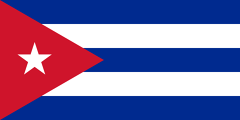
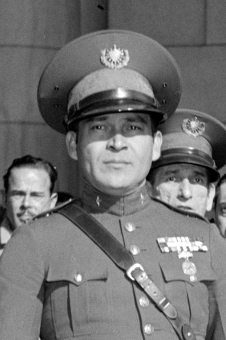
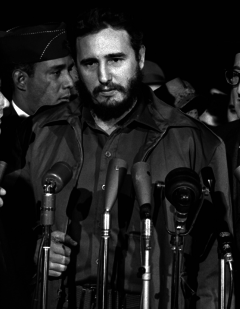
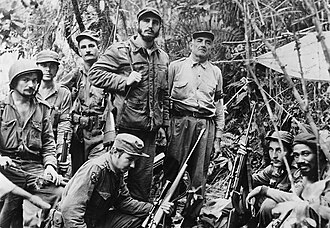
Fidel Castro assumed the premiership of Cuba on February 16, 1959, six weeks after his guerrilla forces toppled the US-backed dictatorship of Fulgencio Batista. Castro initially denied being a communist, telling American journalists he favored democracy and free elections. Within two years, he had nationalized all foreign-owned property, aligned Cuba with the Soviet Union, and declared the revolution socialist. The shift pushed the Cold War into the Western Hemisphere. The Kennedy administration's failed Bay of Pigs invasion in April 1961 humiliated the US and pushed Castro further into Moscow's orbit. The Soviet Union responded by placing nuclear missiles on the island, triggering the October 1962 crisis that brought the world closer to nuclear war than at any other point in history. Castro ruled Cuba for forty-nine years, outlasting ten American presidents and surviving over 600 CIA assassination attempts by his government's count.
February 16, 1959
67 years ago
Key Figures & Places



What Else Happened on February 16
Trajan sent laurel-wrapped letters to the Senate in 116 CE announcing he'd conquered Parthia. Rome's eastern frontier had been a problem for 150 years. Augustus…
Louis IX sent a friar to the Mongol Empire in 1249. Not a general, not a diplomat — a Dominican monk named Andrew of Longjumeau. The mission: convince the Mongo…
Lithuanian forces crushed the Livonian Order on the frozen surface of the Baltic Sea, killing the Grand Master Otto von Lutterberg. This victory halted the Orde…
Hendrick Lonck and his Dutch West India Company fleet seized the sugar-rich port of Olinda, dismantling Portuguese control over the Brazilian coastline. This bo…
Parliamentary forces crushed the Royalist army at the Battle of Torrington, shattering the King’s last significant field force in the West Country. This decisiv…
The Holy Roman Emperor issued the Leopoldine Diploma in 1699, making Greek Catholic priests equal to Roman Catholics in Transylvania. Sounds bureaucratic. It wa…
Talk to History
Have a conversation with historical figures who witnessed this era. Ask questions, explore perspectives, and bring history to life.