

Three-Phase Power Flies: Frankfurt Electrifies the World
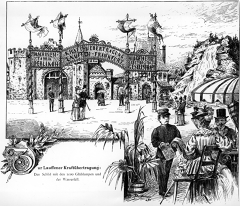
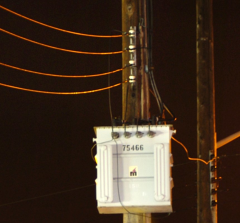
The International Electrotechnical Exhibition in Frankfurt demonstrated the first practical long-distance transmission of three-phase alternating current on May 16, 1891, sending 175 horsepower of electricity 175 kilometers from a hydroelectric plant at Lauffen am Neckar. The system, designed by Mikhail Dolivo-Dobrovolsky, achieved 75% efficiency, far exceeding what direct current systems could manage over such distances. This demonstration settled the "War of Currents" between Thomas Edison's DC system and George Westinghouse's AC system decisively in favor of alternating current. Three-phase power became the global standard for electrical grids because it delivers constant power, enables efficient use of copper conductors, and is naturally suited to rotating electric motors. Every power grid in the world today uses this technology.
May 16, 1891
135 years ago
Key Figures & Places


What Else Happened on May 16
A grandmother in exile just handed her teenage grandson the Roman Empire. Julia Maesa didn't accept banishment quietly—the new emperor Macrinus thought sending …
Suzaku was twenty-nine and already done. The youngest emperor to abdicate in two centuries, he'd spent thirteen years watching his own health crumble while cour…
Baldwin IX of Flanders ascended the throne in Constantinople, establishing the Latin Empire after the Fourth Crusade dismantled the Byzantine capital. This coro…
The commoner who couldn't read French beat France's enemies using a French army. Bertrand du Guesclin—Breton, illiterate, called the ugliest man in the kingdom—…
The Shan governor who conquered the Burmans called himself king by the name they'd given his homeland's mosquitoes. Thado Minsaw—"Royal Mosquito"—rode down from…
The teenagers did it. When Charles V's army sacked Rome in May 1527, the Medici pope was suddenly powerless, and Florence's young radicals seized the moment. Th…
Talk to History
Have a conversation with historical figures who witnessed this era. Ask questions, explore perspectives, and bring history to life.