

Victor Emmanuel Crowned King: Italian Unification
Victor Emmanuel II became King of Italy in 1861, ruling a country that didn't include Rome. The capital was in Florence. The Pope controlled central Italy with French troops protecting him. Venice belonged to Austria. Sicily had been independent nine months earlier. He was king of a patchwork that wouldn't be whole for another decade. His actual title was "King of Italy by the grace of God and the will of the nation" — because nobody could agree on which mattered more.
February 18, 1861
165 years ago
Key Figures & Places
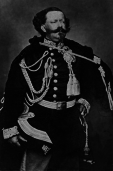
Victor Emmanuel II of Italy
Wikipedia
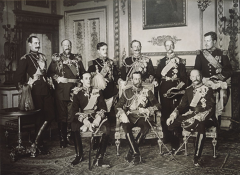
Monarch
Wikipedia
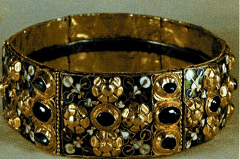
King of Italy
Wikipedia
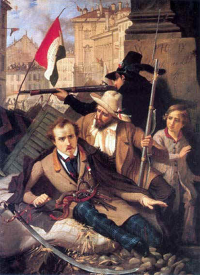
Italian unification
Wikipedia
Piedmont
Wikipedia

Savoy
Wikipedia
Sardinia
Wikipedia

Unification of Italy
Wikipedia

Victor Emmanuel II
Wikipedia

Piedmont
Wikipedia

Savoy
Wikipedia

Sardinia
Wikipedia

King of Italy
Wikipedia
Liste des rois d'Italie
Wikipedia

House of Savoy
Wikipedia

Italy
Wikipedia
What Else Happened on February 18
The Kali Yuga began as the era of spiritual decline following the departure of Krishna from the earthly realm. This transition into the final age of the Hindu c…
The Hindu calendar marks this as the moment Krishna left Earth. Kali Yuga — the age of darkness and discord — began at midnight between February 17 and 18, 3102…
Frederick II got Jerusalem back by speaking Arabic with the Sultan over dinner. No battle. No papal blessing — the Pope had excommunicated him. Al-Kamil and Fre…
Dovmont of Pskov routed the combined forces of the Livonian Order and Danish Estonia on the frozen Rakvere River. This decisive victory halted the Order’s eastw…
Dovmont of Pskov shattered the Livonian Brothers of the Sword at the Battle of Rakvere, halting their eastern expansion into Russian territories. This decisive …
Emperor Amda Seyon I launched his military campaigns into the southern Muslim provinces, aggressively expanding the Solomonic dynasty’s reach. This push consoli…
Talk to History
Have a conversation with historical figures who witnessed this era. Ask questions, explore perspectives, and bring history to life.