

Alexander the Great Dies: Empire Shattered in Babylon
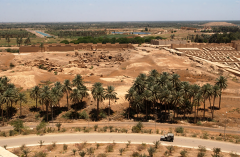
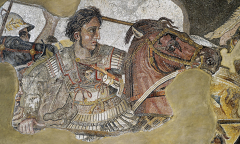
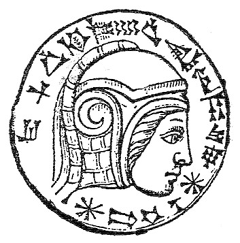
Alexander the Great died in the palace of Nebuchadnezzar II in Babylon on June 10 or 11, 323 BC, at the age of 32. The cause of death has been debated for over two millennia: theories include typhoid fever complicated by Guillain-Barre syndrome, malaria, alcoholic liver disease, and poisoning. He had been drinking heavily at a banquet and developed a fever that worsened over two weeks. When his generals asked to whom he left his empire, he allegedly replied "to the strongest." The Wars of the Diadochi (Successors) that followed lasted 40 years and divided his empire among his generals: Ptolemy took Egypt, Seleucus claimed Persia and Mesopotamia, Antigonus fought for Anatolia and Greece. Alexander had conquered territory from Greece to India in just thirteen years, creating the Hellenistic world that spread Greek culture across Asia.
June 11, 323 BC
Key Figures & Places
What Else Happened on June 11

The ancient Greek scholar Eratosthenes calculated that the city of Troy fell in 1184 BC, a date that has become the conventional dating for the event described …
A Roman army, cut off and dying of thirst in Moravia, was saved by a thunderstorm. That's the official story. But Marcus Aurelius, a Stoic philosopher who spent…
Tang China was paying ransom for its own people — prisoners taken during the chaos of a civil war that had ended years earlier. Emperor Taizong sent envoys nort…
Eighty thousand people came home because of a gift basket. Emperor Taizong didn't send armies north to the Xueyantuo — he sent diplomats carrying gold and silk,…
Two rival empires showed up at the same door on the same day and nearly started a war over who knocked first. The Abbasid Arabs and Uyghur Turks had both travel…
The Abbasids slaughtered their own cousins at Fakhkh, a valley just outside Mecca itself — sacred ground soaked in the blood of the Prophet's descendants. The u…
Talk to History
Have a conversation with historical figures who witnessed this era. Ask questions, explore perspectives, and bring history to life.