

Franklin Flies Kite: Lightning Proven as Electricity
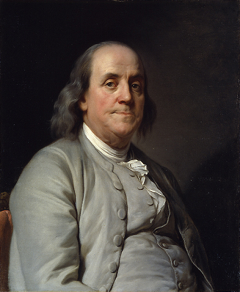
Benjamin Franklin's famous kite experiment, demonstrating that lightning is electrical, probably took place in June 1752, though the exact date is debated and some historians question whether it occurred at all. Franklin described the experiment in a letter published in the Pennsylvania Gazette on October 19, 1752, explaining that he flew a kite during a thunderstorm with a metal key attached to the string. When he touched the key, he felt an electrical charge, proving that lightning was electricity. A year earlier, Thomas-Francois Dalibard had successfully performed a similar experiment in France using Franklin's published instructions. Franklin subsequently invented the lightning rod, which he refused to patent, believing scientific discoveries should benefit humanity freely. The lightning rod was one of the first practical applications of electrical science.
June 15, 1752
274 years ago
Key Figures & Places
What Else Happened on June 15
Assyrian astronomers recorded a total solar eclipse on June 15, 763 BC, noting the event in the limmu lists of King Ashur-dan III. This precise observation prov…
Pope Sergius II anointed Louis II as King of Italy in Rome, formalizing the Carolingian grip on the Italian peninsula. This coronation solidified the alliance b…
Robert I won the battle and still lost everything. He defeated Charles the Simple's forces at Soissons in 923, then took an arrow or sword blow — accounts disag…
King Magnus V fell in the freezing waters of Sognefjord during the Battle of Fimreite, ending his long struggle for the Norwegian throne. His defeat cleared the…
The fleet that decided Norway's future wasn't won by numbers — Sverre's Birkebeiner force was massively outnumbered. But Sverre had a trick: he rammed Magnus's …
King John affixed his seal to the Magna Carta at Runnymede, bowing to pressure from rebellious barons to curb his absolute power. This charter established the p…
Talk to History
Have a conversation with historical figures who witnessed this era. Ask questions, explore perspectives, and bring history to life.