

Obninsk Powers Grid: World's First Nuclear Station Goes Live
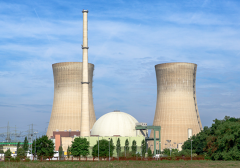
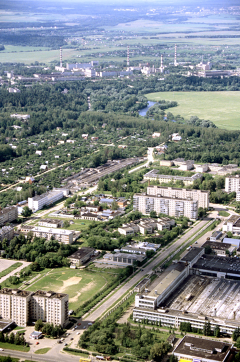
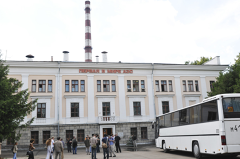
The Soviet Union's Obninsk Nuclear Power Plant began generating electricity on June 27, 1954, becoming the world's first nuclear power plant connected to an electrical grid. The reactor produced only 5 megawatts of electricity, enough to power a small town, but it proved the concept of peaceful nuclear energy. The plant used a graphite-moderated, water-cooled design that would later evolve into the RBMK reactor type used at Chernobyl. Obninsk operated for 48 years before being shut down in 2002. The Soviet achievement spurred the United States, United Kingdom, and France to accelerate their own civilian nuclear programs. Britain's Calder Hall, which opened in 1956, became the first commercial-scale nuclear power station. Today, over 440 nuclear reactors in 32 countries generate approximately 10% of the world's electricity.
June 27, 1954
72 years ago
Key Figures & Places

What Else Happened on June 27
A city-state the size of a small county held off the Ottoman Empire, the Venetian Republic, and every other regional bully for centuries — through diplomacy, no…
Blacksmith Michael An Gof and lawyer Thomas Flamank met their ends at Tyburn after leading thousands of Cornishmen on a march to London to protest crushing war …
Amerigo Vespucci wasn't supposed to be famous. Columbus got there first, got the credit, got the statues. But Vespucci wrote better letters. His vivid accounts …
Thirteen Protestants perished at the stake in Stratford-le-Bow, condemned for refusing to renounce their faith during the Marian persecutions. This public execu…
Peter the Great shattered the Swedish Empire’s dominance at the Battle of Poltava, forcing Charles XII into exile in the Ottoman Empire. This decisive Russian v…
King George II personally led his troops into the fray at the Battle of Dettingen, securing a victory against the French. This engagement remains the final inst…
Talk to History
Have a conversation with historical figures who witnessed this era. Ask questions, explore perspectives, and bring history to life.