

Marx and Engels Publish: The Communist Manifesto
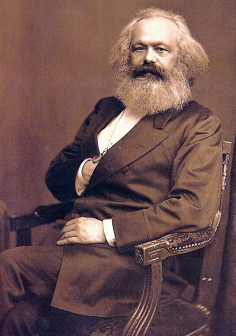
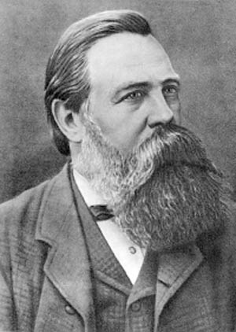
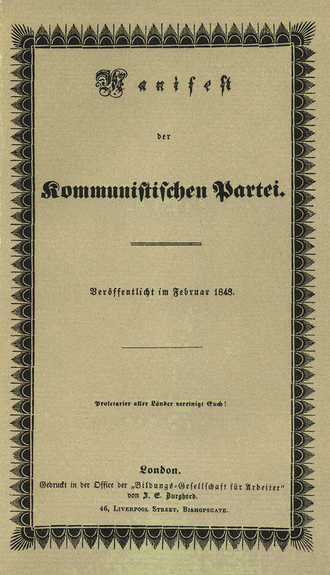
Karl Marx and Friedrich Engels published The Communist Manifesto in London on February 21, 1848, a 23-page pamphlet commissioned by the Communist League that opened with one of history's most famous lines: 'A spectre is haunting Europe.' The timing was extraordinary: within weeks, revolutions erupted across the continent, though the pamphlet itself had almost nothing to do with them. The Manifesto's core argument was elegantly simple: all history is the story of class struggle, capitalism creates its own gravediggers in the proletariat, and the workers will inevitably overthrow the bourgeoisie. Marx wrote most of the text in a three-week frenzy at a Brussels cafe. The pamphlet sold poorly at first and had negligible influence on the 1848 revolutions. Its impact grew over decades as labor movements adopted its language and framework. By the twentieth century, governments claiming to follow its principles controlled a third of the world's population.
February 21, 1848
178 years ago
Key Figures & Places



What Else Happened on February 21
Athanasius walked back into Alexandria after his third exile. He'd been bishop there since 328. He'd been thrown out in 336, 339, and 356. Three different emper…
Severianus refused to hand over the church's sacred texts. Roman officials in Palestine had ordered all Christian bishops to surrender their scriptures for burn…
Thomas resigned in 1245 after confessing to torture and forgery. He was Finland's first bishop. The job came with converting pagans who didn't want converting. …
The Prussian Confederation formed when 53 Prussian cities and nobles decided they'd rather fight their own king than keep paying his war taxes. They were techni…
Ahmed Gragn had conquered two-thirds of Ethiopia. For fourteen years, his Muslim forces burned churches, enslaved populations, pushed the Christian empire to th…
A sixteen-year-old hiding in a monastery became Tsar of Russia because nobody else wanted the job. Mikhail Romanov's father was in Polish captivity. His mother …
Talk to History
Have a conversation with historical figures who witnessed this era. Ask questions, explore perspectives, and bring history to life.