

Salk Vaccine Tested: 1.8 Million Children Unite
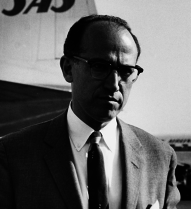
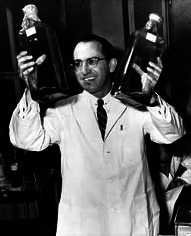
Jonas Salk's polio vaccine field trial began on April 26, 1954, eventually enrolling 1.8 million children in the largest public health experiment in American history. The trial was funded entirely by public donations through the March of Dimes, which had been raising money for polio research since Franklin Roosevelt's presidency. Children were divided into vaccinated and placebo groups, with hundreds of thousands more serving as observed controls. The results, announced on April 12, 1955, showed the vaccine was 80 to 90 percent effective against paralytic polio. Church bells rang across the country. Salk became an instant hero and was asked whether he had patented the vaccine. His response, 'Could you patent the sun?', meant he forfeited an estimated seven billion dollars in personal earnings. Mass vaccination campaigns followed immediately, and polio cases in the US dropped from 35,000 per year to fewer than 100 within a decade.
February 23, 1954
72 years ago
Key Figures & Places


What Else Happened on February 23
Diocletian's soldiers arrived at the church in Nicomedia on February 23, 303, stripped the building, and burned every manuscript they could find. No bloodshed t…
Justinian ordered the Hagia Sophia built after rioters burned down the previous church during the Nika riots — the same riots where he nearly fled the city unti…
Khosrow II lost an empire because he refused to believe his generals. The Sasanian shah had ruled for 38 years, conquered Egypt and Syria, laid siege to Constan…
Wu Zetian ruled China for fifteen years as its only female emperor. She'd clawed her way from concubine to empress to sovereign, killing rivals, promoting schol…

Johannes Gutenberg produced the first copies of his 42-line Bible in his Mainz workshop around 1455, using a system of movable metal type, oil-based ink, and a …
Lautaro had been a Spanish stable boy. He'd fed their horses, watched their drills, learned how they fought. At Marihueñu, he used that knowledge. He let the Sp…
Talk to History
Have a conversation with historical figures who witnessed this era. Ask questions, explore perspectives, and bring history to life.