

Salamis Turns Tide: Greeks Sink Persian Fleet
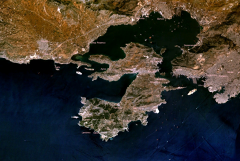
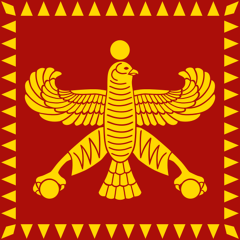
Athenian admiral Themistocles lured the massive Persian fleet of Xerxes I into the narrow straits between the island of Salamis and the Greek mainland on September 20, 480 BC. The confined waters negated the Persians' numerical superiority: their roughly 800 ships couldn't maneuver or coordinate, while the 370 smaller Greek triremes could ram and board at close quarters. Xerxes watched from a golden throne on the shore as his fleet was systematically destroyed. The Greeks sank or captured roughly 200 Persian ships while losing only 40 of their own. The naval defeat forced Xerxes to withdraw to Asia Minor, leaving behind a land army that was destroyed at Plataea the following year. Greek civilization, and with it Western democracy and philosophy, survived because of Salamis.
September 20, 480 BC
Key Figures & Places

What Else Happened on September 20
The Battle of the Catalaunian Plains — sometimes called Chalons — in 451 AD was one of those rare days when everything turned on a single general's decision. Fl…
Muhammad and Abu Bakr reached the oasis of Yathrib, later renamed Medina, after completing their perilous migration from Mecca. This arrival ended the Hijra and…
Agnes of Poitou was regent of the Holy Roman Empire — ruling on behalf of her six-year-old son Henry IV — when she met Andrew I of Hungary to negotiate borders …
Harald Hardrada’s Viking forces crushed the armies of Earls Morcar and Edwin at the Battle of Fulford, shattering the northern English defense. This decisive vi…
Saladin had been maneuvering for months before his army reached Jerusalem's walls in September 1187. The city's defenders were badly outnumbered — most of the k…
Old Prussian tribes launched a coordinated revolt against the Teutonic Knights, seizing fortresses and slaughtering garrisons across the Baltic region. This upr…
Talk to History
Have a conversation with historical figures who witnessed this era. Ask questions, explore perspectives, and bring history to life.