

Reichstag Burns: Germany's Parliament Set Ablaze
The Reichstag burned for three hours on February 27, 1933. Police arrested a Dutch communist named Marinus van der Lubbe at the scene, shirtless and sweating. Hitler had been chancellor for exactly four weeks. The next day, he suspended civil liberties. The day after that, he began mass arrests of political opponents. Van der Lubbe was tried, convicted, and beheaded. Historians still argue whether he acted alone or was set up. Either way, democracy in Germany ended with that fire.
February 27, 1933
93 years ago
Key Figures & Places
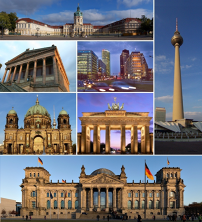
Berlin
Wikipedia

Germany
Wikipedia
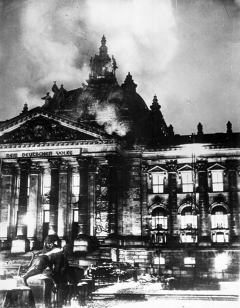
Reichstag fire
Wikipedia

Weimar Republic
Wikipedia
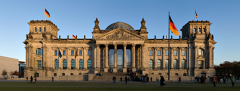
Reichstag (building)
Wikipedia

Reichstag fire
Wikipedia

Weimar Republic
Wikipedia

Reichstag building
Wikipedia
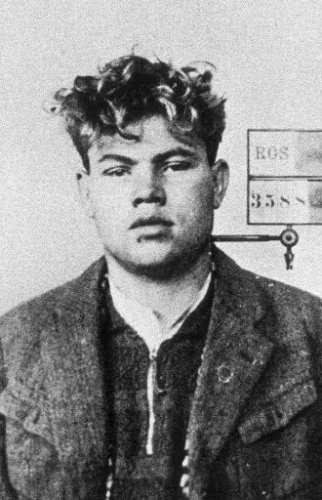
Marinus van der Lubbe
Wikipedia

Robert Wiene
Wikipedia

Expressionism
Wikipedia

Berlin
Wikipedia
Communism
Wikipedia

Bürgerbräukeller
Wikipedia

Nazi Party
Wikipedia

Adolf Hitler
Wikipedia

Expressionismus (Film)
Wikipedia

Das Cabinet des Dr. Caligari
Wikipedia
Hans Janowitz
Wikipedia

Carl Mayer
Wikipedia

Werner Krauß (Schauspieler)
Wikipedia
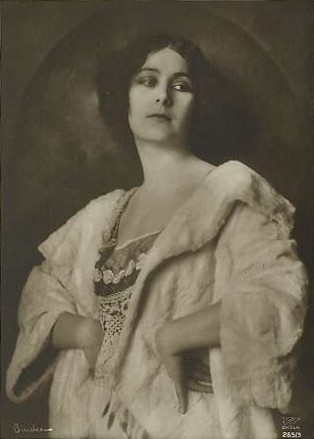
Lil Dagover
Wikipedia

Cine mudo
Wikipedia
History of film
Wikipedia

Nazism
Wikipedia
What Else Happened on February 27
Emperor Theodosius I made Christianity the only legal religion of the Roman Empire on February 27, 380. Not just legal — mandatory. The Edict of Thessalonica de…
Theodosius II built the University of Constantinople in 425 because his wife told him to. Aelia Eudocia, a poet and intellectual herself, wanted a state-funded …
Abaoji unified the disparate Khitan tribes and assumed the title of khagan, consolidating power over the vast steppes of Inner Mongolia. This centralization tra…
A nomadic warlord who couldn't read Chinese became emperor of a dynasty that would last two centuries. Abaoji unified the Khitan tribes through a mix of marriag…
England signed the Treaty of Berwick with Scottish Protestant lords in 1560, agreeing to send troops north to kick out the French garrison. The French were ther…
England sent troops into Scotland in 1560 because Scottish nobles asked them to. The Lords of the Congregation wanted French soldiers out. They'd been there sin…
Talk to History
Have a conversation with historical figures who witnessed this era. Ask questions, explore perspectives, and bring history to life.