

King Wins Nobel at 35: Civil Rights Leader Honored
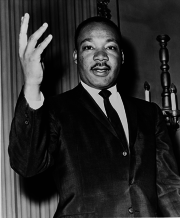
Martin Luther King Jr. learned he had won the Nobel Peace Prize on October 14, 1964, while recovering from exhaustion in an Atlanta hospital. At 35, he was the youngest laureate in the prize's history. The Nobel Committee cited his consistent advocacy of nonviolence in the struggle for racial equality. King donated the entire $54,123 prize money to the civil rights movement. FBI Director J. Edgar Hoover, who had been surveilling King for years, called him 'the most dangerous Negro in America' and intensified efforts to discredit him. The prize gave King enormous international moral authority at a critical moment: the Civil Rights Act had been signed in July, and the Selma to Montgomery marches that would lead to the Voting Rights Act were just months away.
October 14, 1964
62 years ago
Key Figures & Places
What Else Happened on October 14
Pope Callixtus I was thrown down a well by a mob in Trastevere. He'd been pope for five years and had enemies — he'd allowed Christians who'd committed adultery…

William of Normandy's army of roughly 7,000 men, including cavalry and archers, faced Harold II's English force of similar size on Senlac Hill near Hastings on …
William the Conqueror's army met King Harold's forces at Hastings on October 14th, 1066. Harold had just marched 250 miles from defeating Vikings in the north. …

Robert the Bruce caught Edward II's English army strung out along a narrow pass at Byland Abbey in Yorkshire on October 14, 1322, and routed them so thoroughly …
Radu cel Frumos — Radu the Handsome — issued a writ from Bucharest in 1465. It's the first official document mentioning Bucharest as a residence of a Wallachian…
October 5th was Thursday. October 15th was Friday. The ten days between didn't happen. Pope Gregory XIII's calendar reform deleted them to realign Easter with t…
Talk to History
Have a conversation with historical figures who witnessed this era. Ask questions, explore perspectives, and bring history to life.