

Sweden's Calendar Chaos: A Year of Confusion
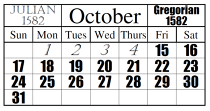
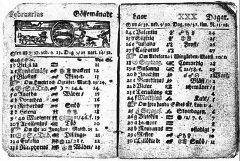
Sweden attempted an extraordinarily impractical solution to calendar reform in 1700. Rather than jumping straight from the Julian to the Gregorian calendar by dropping eleven days, as most European nations did, the Swedish government decided to eliminate the discrepancy gradually by skipping all leap years between 1700 and 1740. They successfully skipped the 1700 leap day, then promptly forgot the plan and observed normal leap years in 1704 and 1708. By 1712, Sweden was using a calendar that matched neither the Julian nor the Gregorian system, confusing international trade and diplomacy. To get back in sync with the Julian calendar, Sweden added a unique February 30, 1712, a date that exists in no other calendar anywhere. The country finally adopted the Gregorian calendar properly in 1753, dropping eleven days at once by jumping from February 17 directly to March 1. The forty-year detour had accomplished nothing.
March 1, 1700
326 years ago
Key Figures & Places



What Else Happened on March 1
The first military parade in Roman history was thrown by a man who'd just won a war caused by kidnapping his neighbors' daughters. Romulus needed wives for his …
Publicola earned his nickname—"friend of the people"—by tearing down his own house. After defeating Rome's last king at Silva Arsia, the consul faced a differen…
Sulla's soldiers were so starving they'd resorted to boiling leather belts and shoes, but the Athenians had it worse — they were eating grass from the city wall…
King Denis of Portugal officially chartered the University of Coimbra, anchoring the institution in the royal capital before its eventual permanent move to the …
Diocletian elevated his colleague Maximian to the rank of Caesar, splitting the Roman Empire into a formal diarchy. By sharing administrative and military burde…
Four men to rule an empire that one couldn't hold. Diocletian knew Rome was crumbling under its own weight—barbarian invasions on every frontier, twenty-six emp…
Talk to History
Have a conversation with historical figures who witnessed this era. Ask questions, explore perspectives, and bring history to life.