

Klaus Fuchs Convicted: Atomic Secrets to Soviets
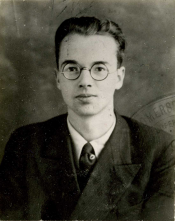
Klaus Fuchs, a German-born British physicist who had worked on the Manhattan Project at Los Alamos, confessed on January 24, 1950, to passing atomic bomb designs to Soviet intelligence agents between 1941 and 1949. A British court convicted him on March 1, 1950, and sentenced him to fourteen years in prison, the maximum for espionage committed on behalf of a wartime ally. Fuchs had provided the Soviets with detailed specifications for the plutonium implosion bomb, enabling them to test their first nuclear weapon in August 1949, years ahead of Western estimates. His confession triggered a chain of investigations that led to the identification of his American courier, Harry Gold, who in turn implicated David Greenglass, whose testimony sent his sister Ethel Rosenberg and her husband Julius to the electric chair. Fuchs served nine years, was released, and emigrated to East Germany, where he became deputy director of a nuclear research institute.
March 1, 1950
76 years ago
Key Figures & Places



What Else Happened on March 1
The first military parade in Roman history was thrown by a man who'd just won a war caused by kidnapping his neighbors' daughters. Romulus needed wives for his …
Publicola earned his nickname—"friend of the people"—by tearing down his own house. After defeating Rome's last king at Silva Arsia, the consul faced a differen…
Sulla's soldiers were so starving they'd resorted to boiling leather belts and shoes, but the Athenians had it worse — they were eating grass from the city wall…
King Denis of Portugal officially chartered the University of Coimbra, anchoring the institution in the royal capital before its eventual permanent move to the …
Diocletian elevated his colleague Maximian to the rank of Caesar, splitting the Roman Empire into a formal diarchy. By sharing administrative and military burde…
Four men to rule an empire that one couldn't hold. Diocletian knew Rome was crumbling under its own weight—barbarian invasions on every frontier, twenty-six emp…
Talk to History
Have a conversation with historical figures who witnessed this era. Ask questions, explore perspectives, and bring history to life.