

Armistice Signed: World War I Finally Ends
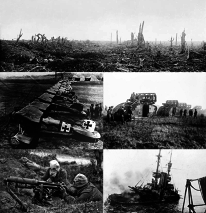
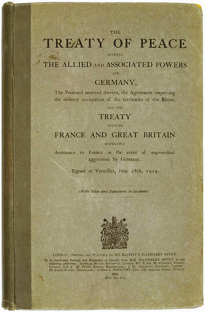
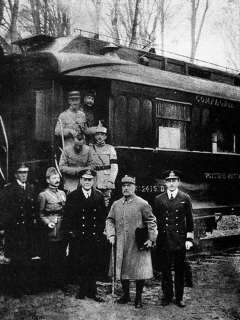
The Armistice of Compiegne took effect at 11 a.m. on November 11, 1918, ending fighting on the Western Front after four years and three months of war that killed roughly 10 million soldiers and 7 million civilians. The terms, dictated by Allied Supreme Commander Ferdinand Foch, required Germany to withdraw behind the Rhine, surrender its fleet, and hand over 5,000 artillery pieces, 25,000 machine guns, and 1,700 aircraft. American units suffered 3,500 casualties on the final morning because some commanders ordered attacks right up to the deadline. The last soldier killed was Henry Gunther, shot at 10:59 a.m. The Armistice was not a peace treaty; that came seven months later at Versailles. November 11 became Armistice Day, later renamed Veterans Day in the United States and Remembrance Day in the Commonwealth.
November 11, 1918
108 years ago
Key Figures & Places




What Else Happened on November 11
Four Roman emperors walked into a conference and none of them left happy. At Carnuntum — a military camp on the Danube — Diocletian himself came out of retireme…
Constantine VIII's death after sixty-six years on the throne triggered a chaotic succession crisis that plunged the Byzantine Empire into instability. His daugh…
She wasn't just a Scottish princess — she was a political masterstroke in a veil. Henry I needed legitimacy after seizing the English throne while his brother R…
She changed her name to get married. Born Edith, she took the name Matilda the day Henry I slipped a crown on her head — likely to sound less foreign to Norman …
Pope Innocent III didn't just host a meeting — he orchestrated the largest church council in medieval history, pulling 1,200 bishops and abbots to Rome. And out…

Louis XII of France and Ferdinand II of Aragon signed a pact to split the Kingdom of Naples, instantly turning two allies into rivals over who would claim the s…
Talk to History
Have a conversation with historical figures who witnessed this era. Ask questions, explore perspectives, and bring history to life.