

Fantasia Premieres: Disney Redefines Animation
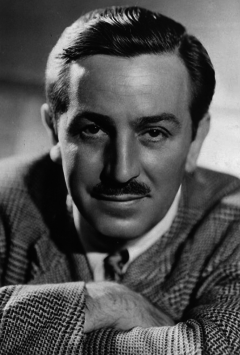
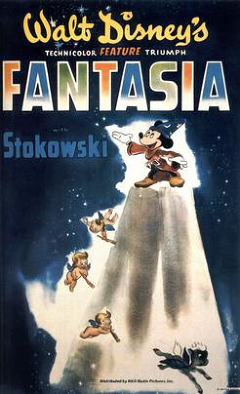
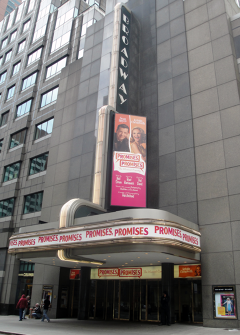
Walt Disney premiered Fantasia on November 13, 1940, at the Broadway Theatre in New York using a revolutionary multi-channel stereo sound system called Fantasound that required 33 speakers installed throughout the theater. The film set classical music by Bach, Beethoven, Stravinsky, and others to animation sequences ranging from abstract geometry to a terrifying 'Night on Bald Mountain.' Leopold Stokowski conducted the Philadelphia Orchestra. The sequence of Mickey Mouse as the Sorcerer's Apprentice became the most iconic. Fantasia cost $2.28 million, double the budget of Snow White, and lost money on its initial release because only 13 theaters could afford the Fantasound installation. Critics were divided. Audiences were confused. It took decades of re-releases for Fantasia to become profitable and achieve recognition as a landmark in cinematic art.
November 13, 1940
86 years ago
Key Figures & Places
What Else Happened on November 13

King Ethelred II ordered the massacre of all Danes living in England on November 13, 1002, a decision born of paranoia that Danish settlers were plotting agains…
Malcolm III of Scotland and his son Edward fell during a surprise English ambush at the Battle of Alnwick. This sudden decapitation of the Scottish leadership t…
Louis VII of France married Adele of Champagne just five weeks after his second wife's death, securing a powerful alliance with the House of Champagne. The marr…
Five people. One sentence. Done. Thomas Cranmer had literally crowned Edward VI, shaped England's Protestant identity, and written the Book of Common Prayer — a…
Royalist forces under King Charles I retreated from Turnham Green when they encountered a Parliamentarian army of 24,000 London-trained band militia blocking th…
British troops block the Jacobite advance at Sheriffmuir, compelling James Francis Edward Stuart to retreat to France and effectively ending his immediate bid f…
Talk to History
Have a conversation with historical figures who witnessed this era. Ask questions, explore perspectives, and bring history to life.