

Neon Lights Paris: Georges Claude Illuminates Night
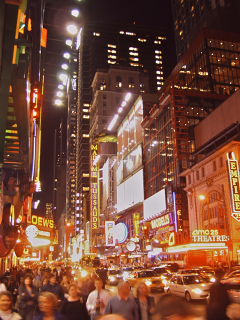
Georges Claude demonstrated neon lighting at the Paris Motor Show on December 3, 1910, revealing two 38-foot tubes filled with neon gas that glowed with a distinctive orange-red light when electrified. Claude, a French engineer and chemist, had discovered that neon, a byproduct of his liquid air distillation business, produced brilliant light with minimal energy. He patented the technology and began selling neon signs commercially in 1912. The first neon sign in the United States appeared in 1923 at a Packard car dealership in Los Angeles, purchased for $24,000. Las Vegas and Times Square adopted the technology enthusiastically, transforming their skylines into luminous spectacles that became internationally recognizable. Neon signs defined urban nightlife aesthetics for decades before LED technology began replacing them in the 1990s.
December 3, 1910
116 years ago
Key Figures & Places


What Else Happened on December 3
Pope John X crowned Berengar I as Holy Roman Emperor, formalizing a desperate alliance to expel Saracen raiders from their fortified base on the Garigliano Rive…
John Paul Jones raised the Grand Union Flag on the USS Alfred, making it the first ship to display this early symbol of American unity. The flag's thirteen alte…
The Austrians won at Wiesloch, but nobody remembers. Sztáray de Nagy-Mihaly pushed back French forces in this small Baden town, briefly reversing Radical France…
The Electoral College produced an unprecedented tie between Thomas Jefferson and his own running mate Aaron Burr, each receiving 73 votes. The deadlock threw th…
French General Moreau routed Austrian Archduke John's forces near Munich in a blinding snowstorm, killing or capturing 14,000 troops. Combined with Napoleon's e…
Illinois entered the Union with a lie already in place. The state constitution banned slavery — except it didn't. Existing enslaved people stayed enslaved. Salt…
Talk to History
Have a conversation with historical figures who witnessed this era. Ask questions, explore perspectives, and bring history to life.