

Zenger Acquitted: Trial That Forged Press Freedom
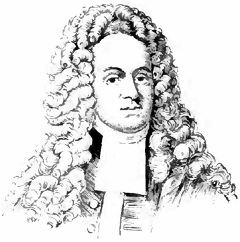
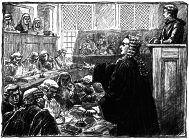
Andrew Hamilton's defense of printer John Peter Zenger in August 1735 established a revolutionary legal principle: truth could be used as a defense against charges of seditious libel. Zenger had published articles in the New York Weekly Journal criticizing Governor William Cosby's corruption. Colonial law held that any published criticism of government officials was criminal regardless of accuracy. Hamilton, then the most famous lawyer in the colonies, argued that Zenger's publications were true and therefore could not be libelous. The jury acquitted in less than ten minutes. The verdict had no binding legal authority but created a powerful precedent for press freedom that directly influenced the First Amendment fifty years later.
August 4, 1735
291 years ago
Key Figures & Places
What Else Happened on August 4
Roman legions under Titus leveled the Second Temple in Jerusalem, ending the Great Jewish Revolt. This catastrophe forced Judaism to transition from a centraliz…
Valentinian I elevated his eight-year-old son Gratian to the rank of co-Augustus, formalizing a dynastic succession plan to secure the stability of the Western …
Emperor Wendi of Sui launched a massive invasion of Goguryeo (Korea) during the Manchurian monsoon season, sending his youngest son Yang Liang with a combined a…
The Battle of Evesham in August 1265 was not a battle — it was a slaughter. Simon de Montfort, the 6th Earl of Leicester, had led the barons' rebellion against …
James Douglas launched a daring night raid into Weardale during the First Scottish War of Independence, nearly killing the teenage Edward III of England in his …
King Francis I formally annexed the Duchy of Brittany through the Edict of Union, ending the region's long-standing autonomy. This legal merger integrated the w…
Talk to History
Have a conversation with historical figures who witnessed this era. Ask questions, explore perspectives, and bring history to life.