

SOS Adopted: International Distress Signal Born
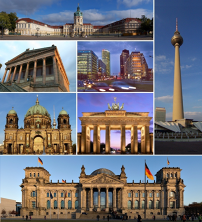
Delegates at the International Radiotelegraphic Convention in Berlin adopted SOS as the universal maritime distress signal on November 3, 1906, effective July 1, 1908. The signal, three dots, three dashes, three dots in Morse code, was chosen purely for its distinctiveness: the pattern is nearly impossible to mistake for anything else through static and interference. 'Save Our Souls' and 'Save Our Ship' are backronyms invented later; the letters themselves don't stand for anything. The previous distress signal, CQD ('Come Quick, Danger'), was harder to distinguish in noisy conditions. When the Titanic struck an iceberg in 1912, its operators sent both CQD and SOS. The Carpathia responded. The incident permanently established SOS in public consciousness. Modern ships use digital distress systems, but SOS remains universally understood.
November 22, 1906
120 years ago
Key Figures & Places

What Else Happened on November 22
Two popes. Same day. Different buildings. When Anastasius II died, Rome's clergy couldn't agree — so they didn't. Symmachus won his vote at the Lateran Palace …
A Breton duke handed a Frankish king his worst humiliation. Nominoe wasn't even royalty yet — just a regional leader Charles the Bald had trusted to govern Brit…
Simon de Montfort's forces breach the Castle of Termes, ending the Cathar stronghold that had defied papal authority for months. This victory shatters organized…
Pope Honorius III crowned Frederick II as Holy Roman Emperor in Rome, formalizing the union of the Sicilian throne with the imperial title. This consolidation f…
Pope Clement V issued the papal bull Pastoralis Praeeminentiae, ordering every Christian monarch in Europe to arrest the Knights Templar and seize their vast ho…
Portuguese colonists established Niteroi across Guanabara Bay from Rio de Janeiro, creating a strategic settlement on Brazil's southeast coast. The city grew in…
Talk to History
Have a conversation with historical figures who witnessed this era. Ask questions, explore perspectives, and bring history to life.