

Yalta Agreement Signed: Allies Divide Post-War Europe
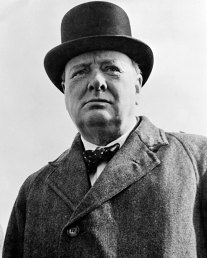
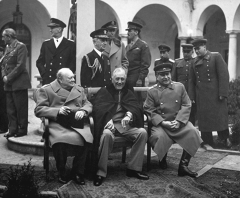
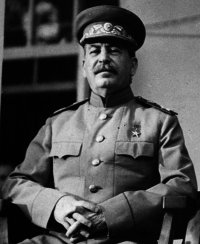
Roosevelt, Churchill, and Stalin met at the Livadia Palace in Yalta, Crimea, from February 4-11, 1945, to negotiate the post-war order while Soviet forces stood sixty miles from Berlin. Roosevelt arrived visibly ill, just two months from death, and his critics later argued he conceded too much. Stalin secured Soviet influence over Poland, Romania, Bulgaria, and the Baltic states in exchange for promises of free elections that he never intended to honor. Churchill, who understood Stalin better than Roosevelt, privately mourned the division of Europe but lacked leverage to prevent it. The conference also agreed to divide Germany into occupation zones, established the framework for the United Nations Security Council, and secured Stalin's commitment to enter the war against Japan. The Yalta agreements became synonymous with Western betrayal in Eastern European countries that spent the next four decades under Soviet domination.
February 11, 1945
81 years ago
Key Figures & Places

What Else Happened on February 11
Japan's first emperor supposedly ascended on February 11, 660 BC. That's the official story. The problem: there's no historical evidence Jimmu existed. The date…
Britannicus collapsed at dinner. He was 13, one day away from becoming a man under Roman law. One day away from challenging Nero for the throne. He'd been eatin…
Britannicus died at a dinner party, right in front of everyone. He was fourteen. Nero's stepbrother, blood heir to Emperor Claudius. He took a sip of wine, conv…
Gordian III was 19 when his own soldiers killed him at Zaitha in Mesopotamia. He'd been emperor for six years — crowned at 13 after a military coup his family d…
Guo Wei didn't want to be emperor. He was a court official sent to suppress a rebellion when his own troops mutinied — and proclaimed him emperor instead. He re…
Robert of Chester finished translating an Arabic alchemy text in 1144. It was the first time Western Europe had access to practical chemical procedures written …
Talk to History
Have a conversation with historical figures who witnessed this era. Ask questions, explore perspectives, and bring history to life.