

Madrid Train Bombings Kill 191: Spain's Deadliest Attack
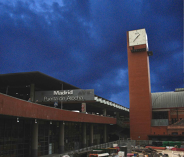
Ten coordinated bomb blasts tore through four commuter trains on Madrid's Cercanias rail network during the morning rush hour on March 11, 2004, killing 191 people and wounding nearly 2,000 in Spain's deadliest terrorist attack. The bombs, concealed in backpacks, detonated between 7:37 and 7:40 AM at Atocha, El Pozo, and Santa Eugenia stations. The ruling Popular Party initially blamed the Basque separatist group ETA, but forensic evidence quickly pointed to an al-Qaeda-inspired cell of North African jihadists. The government's attempt to pin the attack on ETA, three days before national elections, backfired catastrophically when the truth emerged. Voters punished the PP at the polls, handing power to the Socialist Party, which immediately withdrew Spanish troops from Iraq. The attack demonstrated that terrorism could directly alter democratic elections in a Western nation and that al-Qaeda's network had extended well beyond its Afghan base.
March 11, 2004
22 years ago
Key Figures & Places
Spain
Wikipedia
Madrid
Wikipedia
Madrid Train Bombings
Wikipedia
Madrid train bombings
Wikipedia

2004 Madrid train bombings
Wikipedia

Madrid
Wikipedia

Estación de Atocha-Cercanías
Wikipedia

Estación de El Pozo
Wikipedia

Estación de Santa Eugenia
Wikipedia

Spain
Wikipedia

Provincia de Almería
Wikipedia

Cajalmería
Wikipedia

Unicaja
Wikipedia

1991
Wikipedia

Comisión Europea
Wikipedia

Place du Trocadéro-et-du-11-Novembre
Wikipedia

16e arrondissement de Paris
Wikipedia

Juan Carlos I
Wikipedia

Queen Sofía of Spain
Wikipedia

Wald der Erinnerung (Madrid)
Wikipedia

Parque del Retiro de Madrid
Wikipedia
Parlamentswahl in Spanien 2004
Wikipedia

People's Party (Spain)
Wikipedia

José María Aznar
Wikipedia
Al-Qaeda
Wikipedia
صحيفة القدس العربي
Wikipedia
What Else Happened on March 11
The Praetorian Guard didn't just kill the eighteen-year-old emperor—they erased him. After stabbing Elagabalus and his mother Julia Soaemias in a palace latrine…
She'd been ruling for a child emperor — her three-year-old son Michael III — when Theodora risked everything to reverse a policy that had torn the Byzantine Emp…
The Pope refused to create the archbishopric for seven years because he didn't trust King John of Bohemia's loyalty. Charles IV, John's son, had to wait until h…
John Hawkwood’s tactical brilliance dismantled the Veronese army at the Battle of Castagnaro, securing a decisive victory for Padua. By utilizing flooded fields…
English mercenary captain Sir John Hawkwood deployed a feigned retreat to draw Verona's forces into a devastating ambush at Castagnaro, delivering Padua a decis…
The Jesuits armed thousands of Indigenous converts with European muskets and cavalry tactics, then watched them outmaneuver Portuguese slave raiders at their ow…
Talk to History
Have a conversation with historical figures who witnessed this era. Ask questions, explore perspectives, and bring history to life.