

Washington Takes Command: Revolution's Defining Moment
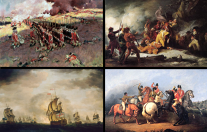
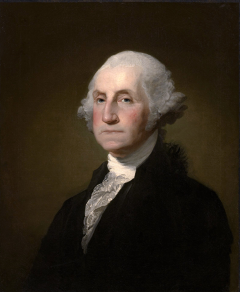
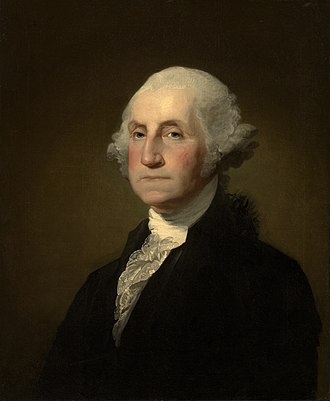
George Washington rode into Cambridge, Massachusetts on July 3, 1775, and found chaos rather than an army. The 16,000 militia surrounding Boston had no unified command structure, no standard equipment, and no military discipline. Many elected their own officers. Some went home when they felt like it. Washington's immediate challenge was converting these independent-minded farmers into soldiers who would follow orders, drill in formation, and stay through winter. He imposed courts-martial for desertion, standardized camp sanitation, and personally inspected defenses. The appointment itself was a political masterstroke by Congress: a Virginian commanding New England troops bound the colonies together under a single military authority for the first time.
July 3, 1775
251 years ago
Key Figures & Places
American Revolutionary War
Wikipedia
George Washington
Wikipedia
Continental Army
Wikipedia

Cambridge, Massachusetts
Wikipedia

American Revolutionary War
Wikipedia
George Washington
Wikipedia

Continental Army
Wikipedia

Cambridge, Massachusetts
Wikipedia

French and Indian War
Wikipedia

Battle of Fort Necessity
Wikipedia

Military history of France
Wikipedia

Wyoming (Pensilvania)
Wikipedia

Wyoming
Wikipedia

New York City
Wikipedia

Pennsylvania
Wikipedia

Seven Years' War
Wikipedia

Battle of Jumonville Glen
Wikipedia

British Army
Wikipedia

Criança
Wikipedia

Woman
Wikipedia
What Else Happened on July 3
Constantine I crushed the forces of his co-emperor Licinius at the Battle of Adrianople, forcing his rival to retreat behind the walls of Byzantium. This decisi…

The French nobles who elected Hugh Capet in 987 expected a weak king they could control. They were wrong about the dynasty if not the man. Hugh's direct male-li…
Eight years old. That's how young William was when his father died on pilgrimage and left him a duchy crawling with assassins. Three of his guardians were murde…
Mamluk forces captured King Louis IX of France at the Battle of Fariskur, delivering a humiliating blow to the Seventh Crusade and forcing France's monarch to r…
Diego de Almagro departed Cuzco with hundreds of Spanish soldiers and thousands of indigenous allies, aiming to claim the lands south of the Inca Empire for the…

Samuel de Champlain arrived with twenty-eight men to build a fur trading post where the St. Lawrence River narrowed. By spring, twenty were dead—scurvy, dysente…
Talk to History
Have a conversation with historical figures who witnessed this era. Ask questions, explore perspectives, and bring history to life.