

Slavery Abolished: British House Passes Historic Act
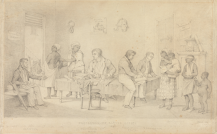
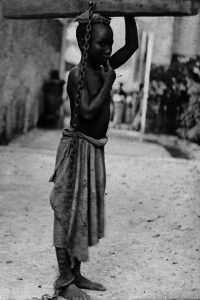
The British House of Commons passed the Slavery Abolition Act on July 26, 1833 (receiving royal assent on August 28), ending slavery across most of the British Empire. The law freed roughly 800,000 enslaved people in the Caribbean, South Africa, and Mauritius over a four-year transition period during which they were forced to serve as "apprentices" to their former owners. Parliament allocated 20 million pounds to compensate slave owners for their lost "property," equivalent to roughly 40% of the government's annual revenue. The enslaved people received nothing. The debt incurred to pay this compensation was not fully repaid until 2015, meaning British taxpayers were financing slave owner compensation well into the 21st century.
July 22, 1833
193 years ago
Key Figures & Places




What Else Happened on July 22
The Abbasid army crushed Emperor Theophilos’s forces at the Battle of Anzen, nearly capturing the Byzantine ruler himself. This defeat shattered the myth of Byz…
The elected king refused to wear a crown of gold where Christ wore thorns. Godfrey of Bouillon took Jerusalem on July 15, 1099, after a siege that left the stre…
Crusaders slaughtered nearly the entire population of Béziers, including thousands of Catholics, during the opening act of the Albigensian Crusade. By refusing …
A coalition of German princes and towns shattered King Valdemar II’s Baltic empire at the Battle of Bornhöved, ending Danish dominance in Northern Europe. This …

King Edward I brought 12,500 soldiers, including hundreds of Welsh and Irish longbowmen, against William Wallace's Scottish army at Falkirk on July 22, 1298. Wa…
The Danube rose twenty feet in a single day. July 1342. Rivers across central Europe tore away entire villages, drowned livestock by the thousands, and turned f…
Talk to History
Have a conversation with historical figures who witnessed this era. Ask questions, explore perspectives, and bring history to life.