

Caligula Proclaimed Emperor: Rome's Tyranny Begins
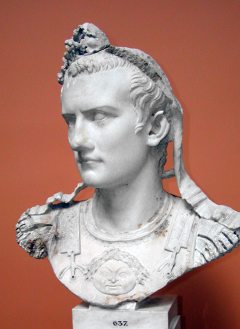
The Roman Senate proclaimed Gaius Julius Caesar Germanicus, known as Caligula, emperor on March 18, 37 AD, immediately after the death of Tiberius. Caligula was twenty-four years old and wildly popular, partly because of sympathy for his family: his father Germanicus had been a beloved military hero, and his mother and two brothers had been murdered or starved to death by Tiberius. The first seven months of his reign were by all accounts excellent. He recalled political exiles, abolished treason trials, and distributed bonuses to the military. Then he fell seriously ill, and when he recovered, contemporaries reported a dramatic personality change. Whether caused by brain inflammation, lead poisoning, epilepsy, or simply the corrupting effect of absolute power, Caligula became erratic and cruel. He declared himself a god, reportedly made his horse a senator, bankrupted the treasury on extravagant building projects, and executed rivals on whims. He was assassinated by his own Praetorian Guard after less than four years in power.
March 18, 37
1989 years ago
Key Figures & Places
What Else Happened on March 18
The Roman Senate bypassed the late Emperor Tiberius’s will to install his grand-nephew, Caligula, as the new ruler. This swift transition ended the uncertainty …
His mother tried to bribe the soldiers with gold. It didn't work. Emperor Alexander Severus and Julia Mamaea — who'd ruled Rome through her 26-year-old son for …
Caliph Abu Bakr crushed the final major resistance of the Ridda Wars, consolidating the Arabian Peninsula under a single central authority. This victory transfo…
A massive earthquake shattered the Levant and the Arabian Peninsula, collapsing structures across a vast region and claiming up to 20,000 lives. This disaster d…
Frederick II crowned himself King of Jerusalem inside the Church of the Holy Sepulchre, securing the city through diplomacy rather than the bloodshed typical of…
The trumpeter never finished his song. When Mongol horsemen stormed Kraków's gates in March 1241, a watchman in St. Mary's Basilica was sounding the hourly hejn…
Talk to History
Have a conversation with historical figures who witnessed this era. Ask questions, explore perspectives, and bring history to life.