

League of Nations Convenes: Treaty of Versailles Ratified
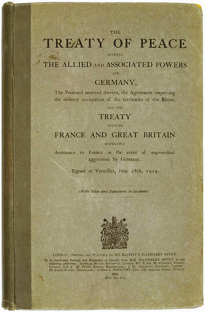
The League of Nations held its first council meeting on January 16, 1920, and immediately confronted a crippling absence: the United States, whose president had conceived the organization, refused to join. The Senate had rejected the Treaty of Versailles over concerns about Article X, which critics argued could commit American troops to foreign conflicts without congressional approval. Without the world's largest economy and emerging military power, the League lacked enforcement teeth. It managed some early successes in resolving minor territorial disputes and repatriating prisoners of war, but when Japan invaded Manchuria in 1931 and Italy attacked Ethiopia in 1935, the League could only issue condemnations. Member states ignored sanctions. The organization limped through the 1930s as a talking shop while its founding principles of collective security collapsed under the weight of fascist aggression.
January 10, 1920
106 years ago
Key Figures & Places

What Else Happened on January 10
Julius Caesar marched his Thirteenth Legion across the Rubicon, defying the Roman Senate’s direct order to disband his army. This breach of provincial boundarie…
The imperial throne wasn't just changing hands—it was being seized through cosmic theater. Wang Mang, a cunning court official, didn't just stage a coup; he cla…
Julius Caesar marched his Thirteenth Legion across the Rubicon, defying the Roman Senate’s direct order to disband his army. By crossing this boundary, he commi…
Emperor Galba adopted Lucius Calpurnius Piso Licinianus as his successor, hoping to stabilize a fractured Roman state through a formal transfer of power. Instea…
Fabian ascended to the papacy after a dove reportedly landed on his head during the election, an omen that convinced the gathered crowd of his divine selection.…
A dusty, brutal siege that nobody saw coming. Norman mercenaries—those French warriors who'd become Italy's most unexpected conquerors—thundered into Sicily's m…
Talk to History
Have a conversation with historical figures who witnessed this era. Ask questions, explore perspectives, and bring history to life.