

Adams Secures Dutch Recognition: U.S. Independence Solidified
John Adams secured the Dutch Republic's formal recognition of the United States on April 19, 1782, making the Netherlands the second country after France to acknowledge American independence. Adams had arrived in Amsterdam in 1780 and spent two years lobbying Dutch merchants, bankers, and government officials. His persistence paid off with both diplomatic recognition and a crucial loan of 5 million guilders from Amsterdam bankers. Adams established the first American embassy in a house on the Keizersgracht canal, which he purchased with his own funds. The Dutch loans provided essential financing for the cash-starved Continental Congress. Adams later called his work in the Netherlands "the happiest event and the greatest action of my life, next to the birth of my children."
April 19, 1782
244 years ago
Key Figures & Places

United States
Wikipedia

Netherlands
Wikipedia

The Hague
Wikipedia

Dutch Republic
Wikipedia
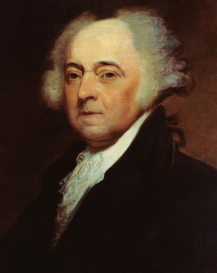
John Adams
Wikipedia
American embassy
Wikipedia

John Adams
Wikipedia

Netherlands–United States relations
Wikipedia

The Hague
Wikipedia

Johnny Logan (singer)
Wikipedia

Republic of Ireland
Wikipedia

Eurovision Song Contest
Wikipedia

Dutch Republic
Wikipedia

List of diplomatic missions of the United States
Wikipedia
What Else Happened on April 19
A slave named Milichus didn't just overhear a whisper; he heard his master Piso plotting to kill Nero himself. The freedman raced through Rome's dark streets, r…
Belisarius didn't just lose; he lost his cavalry to a Persian arrow that shattered his shield and forced a chaotic retreat across the Euphrates. Thousands of me…
Danish raiders bludgeoned the Archbishop of Canterbury, Ælfheah, to death after he refused to authorize a massive ransom payment from his impoverished people. H…
Three days of fire and blood in April 1506 turned Lisbon's streets red. Angry mobs dragged the "New Christians" from their homes, burning them alive at the Ross…
Seven German princes and four free cities just refused to sign a decree banning Luther's teachings. They didn't care that Emperor Charles V had already crushed …
Two rivals sat in Frankfurt, ink drying on paper that promised silence where screams had been loud for years. Charles V and Protestant leaders didn't just sign;…
Talk to History
Have a conversation with historical figures who witnessed this era. Ask questions, explore perspectives, and bring history to life.