

Romulus Founds Rome: 753 BC Birth of an Empire
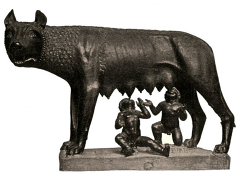
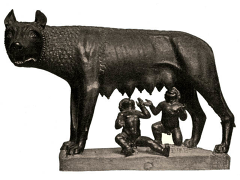
The traditional founding date of Rome, April 21, 753 BC, was calculated by the Roman scholar Marcus Terentius Varro in the 1st century BC and became the basis for the Roman dating system of ab urbe condita (from the founding of the city). Archaeological evidence suggests the Palatine Hill was settled as early as 1000 BC, but Varro's date anchored the mythology of Romulus and Remus to a specific year. The date coincided with the Parilia festival, a pastoral celebration of the goddess Pales involving bonfires and ritual purification. Romans celebrated the anniversary as the Natale di Roma. The founding myth served political purposes: it gave Rome divine origins through Mars, the god of war, and justified expansion as the destiny of a city born from divine will.
April 21, 753 BC
Key Figures & Places


What Else Happened on April 21
Romulus traced the boundaries of a new city on the Palatine Hill, establishing the foundation of Rome according to legend. This act transformed a collection of …
Aulus Hirtius died holding his sword, not as a general, but as a consul who thought he'd won. Mark Antony slipped away from Mutina in 43 BC while his own legion…
The Laguna Copperplate Inscription, the oldest known written document found in the Philippines, recorded the pardon of debts for the Honourable Namwaran and his…
A copper plate in Manila Bay didn't just record debt; it erased a man's entire family line from bondage. Jayadewa, the Commander-in-Chief of Tondo, waved a roya…
Pope Urban II elevated the Diocese of Pisa to a metropolitan archdiocese, granting it authority over the sees of Corsica and Sardinia. This promotion transforme…
A baker named Diogo Pires sparked the fire, shouting that priests were being mocked during Easter week. But the crowd didn't stop at rumors; they dragged hundre…
Talk to History
Have a conversation with historical figures who witnessed this era. Ask questions, explore perspectives, and bring history to life.