

GPS Treasure Hunt: Geocaching Begins Global Adventure
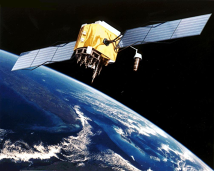
Dave Ulmer, a GPS enthusiast and computer consultant, hid a black bucket containing a logbook, pencils, and small prizes in the woods near Beavercreek, Oregon, on May 3, 2000, and posted the GPS coordinates on the sci.geo.satellite-nav Usenet group with the message "The Great American GPS Stash Hunt." Within three days, two people had found it. By September, the hobby had a name, geocaching, coined by Matt Stum. The concept exploited the recent removal of Selective Availability, which had deliberately degraded civilian GPS accuracy. With coordinates now accurate to within ten meters, hiding containers and sharing locations became practical. Today there are over 3 million active geocaches in 191 countries, with players logging finds through a dedicated app and website.
May 3, 2000
26 years ago
Key Figures & Places





What Else Happened on May 3
Ethnic violence erupted between the Meitei and Kuki Zo communities in Manipur, triggered by disputes over land rights and affirmative action status. This confli…
Bird Jaguar IV ascended the throne of Yaxchilan, ending a ten-year interregnum that had paralyzed the city-state’s leadership. By aggressively commissioning mon…
The ground shook three times in 24 hours, but it was the third quake that dropped Rhodes into the sea. Thirty thousand people died when the city's limestone bui…
The monarch took a new name, João, and ordered his entire court to follow him into baptism. Nkuwu Nzinga of Kongo wasn't conquered—he invited the Portuguese pri…
Columbus had already mapped 700 miles of Cuban coastline when his crew spotted mountains rising from turquoise water. May 5, 1494. He named it Santiago, convinc…
The French called it "Matanzas" too—the same name the Spanish had used for their massacre site, which meant "slaughters." Dominique de Gourgues led 150 Frenchme…
Talk to History
Have a conversation with historical figures who witnessed this era. Ask questions, explore perspectives, and bring history to life.