

Oscars Begin in Hollywood: Cinema's Prestige Established
The first Academy Awards ceremony was held on May 16, 1929, at the Hollywood Roosevelt Hotel, with 270 guests paying $5 per ticket for a banquet dinner. The event lasted fifteen minutes. Wings won Best Picture. Emil Jannings received Best Actor for two films, and Janet Gaynor won Best Actress for three. Winners had been announced three months in advance; the sealed envelope system was not introduced until 1941. The statuettes, designed by Cedric Gibbons, were not yet called "Oscars" (that nickname came later, with disputed origins). The Academy had been founded just two years earlier by Louis B. Mayer, partly as a mechanism to mediate labor disputes and prevent unionization. The ceremony has since grown into a global broadcast watched by hundreds of millions.
May 16, 1929
97 years ago
Key Figures & Places
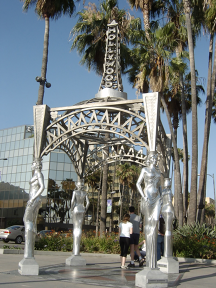
Hollywood, California
Wikipedia
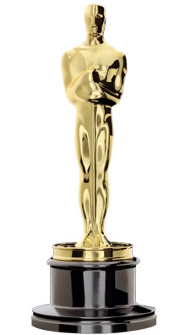
Academy Awards
Wikipedia
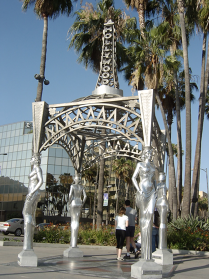
Hollywood
Wikipedia

Hollywood, Los Angeles
Wikipedia

1st Academy Awards
Wikipedia
Academy Awards
Wikipedia

California
Wikipedia

Academy of Motion Picture Arts and Sciences
Wikipedia

Emil Jannings
Wikipedia

Academy Award for Best Actor
Wikipedia
Sein letzter Befehl
Wikipedia

Der Weg allen Fleisches (1927)
Wikipedia
What Else Happened on May 16
A grandmother in exile just handed her teenage grandson the Roman Empire. Julia Maesa didn't accept banishment quietly—the new emperor Macrinus thought sending …
Suzaku was twenty-nine and already done. The youngest emperor to abdicate in two centuries, he'd spent thirteen years watching his own health crumble while cour…
Baldwin IX of Flanders ascended the throne in Constantinople, establishing the Latin Empire after the Fourth Crusade dismantled the Byzantine capital. This coro…
The commoner who couldn't read French beat France's enemies using a French army. Bertrand du Guesclin—Breton, illiterate, called the ugliest man in the kingdom—…
The Shan governor who conquered the Burmans called himself king by the name they'd given his homeland's mosquitoes. Thado Minsaw—"Royal Mosquito"—rode down from…
The teenagers did it. When Charles V's army sacked Rome in May 1527, the Medici pope was suddenly powerless, and Florence's young radicals seized the moment. Th…
Talk to History
Have a conversation with historical figures who witnessed this era. Ask questions, explore perspectives, and bring history to life.