

Anne Boleyn Falls: Henry VIII's Queen Executed for Treason
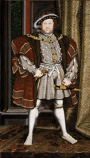
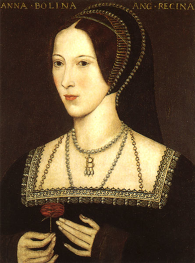
Anne Boleyn was beheaded by a French swordsman on the Tower Green on May 19, 1536, after being convicted of adultery, incest, and treason in a trial widely considered a judicial murder. Henry VIII had grown tired of Anne, who had produced a daughter (the future Elizabeth I) but no male heir, and was already pursuing Jane Seymour. Thomas Cromwell orchestrated the charges, extracting confessions under torture from five men accused of being Anne's lovers, including her own brother George. The evidence was thin to nonexistent. The French swordsman was imported specifically for the execution because he could kill with a single clean stroke; the standard English method used an axe, which was less reliable. Henry married Jane Seymour eleven days later.
May 19, 1536
490 years ago
Key Figures & Places



What Else Happened on May 19
The emperor's bodyguards were somewhere else. Ashina Jiesheshuai and his Turkic warriors rode straight into Jiucheng Palace's summer grounds in 639, swords draw…
The Syrian son of a Roman administrator hadn't planned on becoming pope—he'd planned on living quietly as a priest. But when Gregory II took office in 715, he i…
John Kourkouas reclaimed the strategic fortress of Melitene for the Byzantine Empire, shattering the city's long-standing status as a primary base for Arab raid…
The bride traveled fifteen hundred miles from Kiev to Reims, one of the longest bridal journeys in medieval history. Anne of Kiev could read and write in at lea…
John II of Castile crushed the forces of the Infantes of Aragon at the First Battle of Olmedo, ending their long-standing interference in Castilian governance. …
The signatures happened on a Sunday in May, 2,300 miles apart. Catherine stood before lawyers in a Spanish church while a proxy held Arthur's portrait. Arthur d…
Talk to History
Have a conversation with historical figures who witnessed this era. Ask questions, explore perspectives, and bring history to life.