

Shakespeare's Sonnets Published: The Bard's Poetic Legacy Revealed
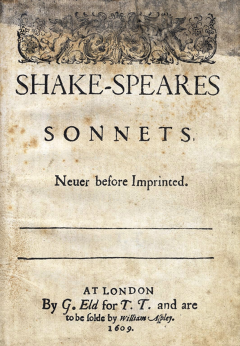
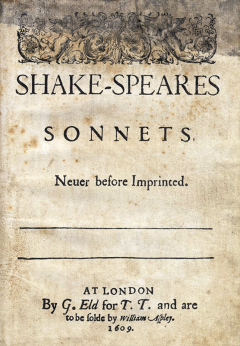
Thomas Thorpe published Shakespeare's Sonnets on May 20, 1609, with a cryptic dedication to "Mr. W.H." whose identity has never been conclusively established. The collection of 154 sonnets had circulated in manuscript among Shakespeare's private friends for at least a decade before publication. The first 126 sonnets are addressed to a young man, urging him to marry and have children, then expressing intense love and jealousy. Sonnets 127-152 are addressed to a "Dark Lady." The publication appears to have been unauthorized: Shakespeare never mentioned the sonnets in any other context and never published a second edition. The sonnets contain some of the most quoted lines in English literature, including "Shall I compare thee to a summer's day?" and "Let me not to the marriage of true minds admit impediments."
May 20, 1609
417 years ago
Key Figures & Places




What Else Happened on May 20
Constantine thought inviting 1,800 bishops would unify Christianity. Only 318 showed up to Nicaea, many bearing scars from recent Roman persecutions—missing eye…
A widow chose an emperor. When Zeno died of dysentery in 491, his wife Ariadne held something no Byzantine woman had possessed before: the right to pick the nex…
A massive earthquake leveled the Byzantine city of Antioch, claiming roughly 250,000 lives and shattering the region’s infrastructure. This catastrophe crippled…
King Ecgfrith brought the finest cavalry in Britain into a narrow valley near a Scottish loch. He'd conquered half of northern England by doing exactly this—ove…
He came to marry a princess and left without his head. Æthelberht II of East Anglia arrived at Sutton Walls expecting a wedding to Ælfthryth of Mercia. Instead,…
A seventy-year-old knight saved England by turning a medieval siege into a cavalry charge. William Marshal—already past any reasonable fighting age—led a relief…
Talk to History
Have a conversation with historical figures who witnessed this era. Ask questions, explore perspectives, and bring history to life.