

Mystic Massacre: English Forces Destroy Pequot Village
English Captain John Mason and a force of 77 colonists and several hundred Mohegan and Narragansett allies attacked the Pequot fortified village at Mystic, Connecticut, on May 26, 1637. They set fire to the village before dawn while residents slept. As Pequots tried to escape the flames, English soldiers and their allies cut them down with swords and muskets. Between 400 and 700 Pequot men, women, and children were killed in less than an hour. Captain John Underhill, who participated in the attack, later wrote that the scene was "so terrible" that some English soldiers wished to withdraw. The Mystic Massacre effectively destroyed the Pequot nation. Survivors were enslaved or absorbed into other tribes. The colony of Connecticut declared a day of thanksgiving for the victory.
May 26, 1637
389 years ago
Key Figures & Places

Germany
Wikipedia
Connecticut
Wikipedia
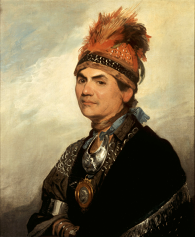
Native Americans in the United States
Wikipedia
Protestant
Wikipedia
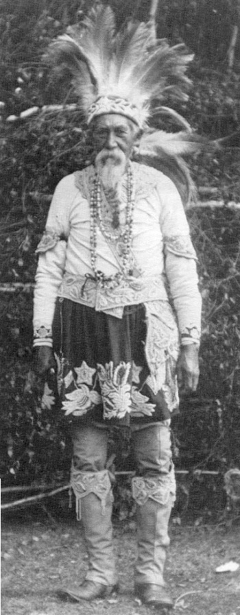
Mohegan
Wikipedia
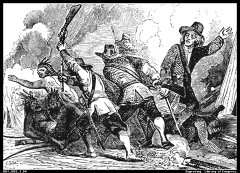
Pequot War
Wikipedia
John Mason (c.1600-1672)
Wikipedia
Pequot
Wikipedia
John Mason (c.1600–1672)
Wikipedia
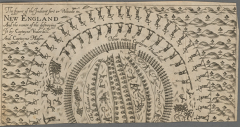
massacring
Wikipedia

Pequot War
Wikipedia

Mohegan
Wikipedia

John Mason (colonist)
Wikipedia

Connecticut
Wikipedia

Mystic massacre
Wikipedia

Pequot
Wikipedia

Connecticut Colony
Wikipedia

Mystic River (Connecticut)
Wikipedia
What Else Happened on May 26
Cassius wanted to kill Caesar in Tarsus. Not on the Ides of March. Not in Rome. Here, in this dusty Cilician city where Caesar stopped to gather supplies before…
Germanicus paraded 50,000 captured Germans through Rome's streets, along with their chiefs in chains—tribes who'd annihilated three Roman legions just a decade …
The Armenians lost every tactical objective at Avarayr—outnumbered, outflanked, their commander Vardan Mamikonian dead on the field. But here's what's strange: …
Michael III crowned the man who would murder him. In 866, the Byzantine emperor elevated Basil—a peasant wrestler from Macedonia who'd charmed his way into the …
King Edmund I lunged at an outlaw during a feast at Pucklechurch, only to be stabbed to death by the man he sought to eject. His sudden demise triggered a succe…
King Edmund I wasn't killed in battle or poisoned by rivals. He died breaking up a brawl at a feast in Pucklechurch. The king recognized an outlaw named Leofa a…
Talk to History
Have a conversation with historical figures who witnessed this era. Ask questions, explore perspectives, and bring history to life.