

Peter Founds Saint Petersburg: Russia's Western Window Opens
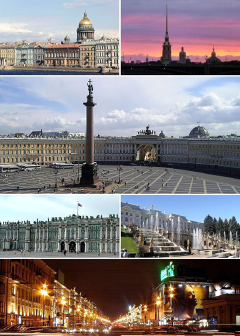
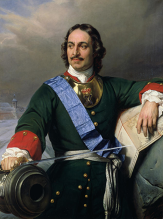
Tsar Peter I (Peter the Great) founded the city of Saint Petersburg on May 27, 1703, by laying the foundation of the Peter and Paul Fortress on a small island in the Neva River delta. The location was a desolate swamp conquered from Sweden during the Great Northern War. Construction was carried out by tens of thousands of conscripted serfs, Swedish prisoners of war, and criminals; an estimated 30,000 workers died from disease, exposure, and accidents during the building of the city. Peter transferred the Russian capital from Moscow to Saint Petersburg in 1712 to force the Russian nobility to look westward and modernize. The city served as Russia's capital until 1918 and became one of the most beautiful cities in Europe, home to the Hermitage Museum and Dostoyevsky's literary landscape.
May 27, 1703
323 years ago
Key Figures & Places


What Else Happened on May 27
Simeon ruled Bulgaria for thirty-four years and died in bed—a rarity for medieval emperors who usually met swords or poison. He'd forced Byzantium to pay him tr…
Tsar Simeon the Great died of heart failure, leaving behind a Bulgarian Empire that stretched from the Adriatic to the Black Sea. His death triggered a rapid de…
The Bulgarian army didn't just lose—they evaporated. King Tomislav's Croatian forces caught them in the Bosnian highlands, and what should've been a pitched bat…
The Jewish community of Mainz paid the bishop protection money to shelter them in his palace. Didn't matter. Count Emicho's crusaders broke through the walls on…
Richard III of Capua received his anointing as Prince of Capua on his deathbed, two weeks before pneumonia killed him. He was nine years old. His father had die…
Malcolm IV inherited Scotland at twelve years old, making him one of Europe's youngest reigning monarchs. His grandfather David I had just died, leaving the boy…
Talk to History
Have a conversation with historical figures who witnessed this era. Ask questions, explore perspectives, and bring history to life.