

Long Wires Carry Power: The Grid Is Born
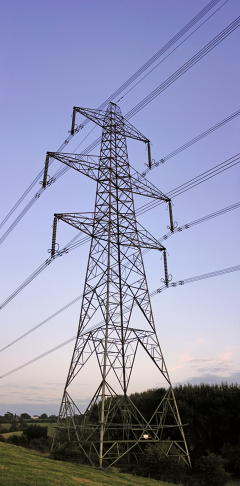
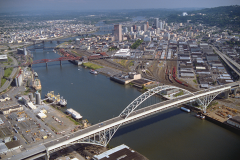
The first long-distance transmission of electrical power for commercial use occurred on June 3, 1889, when a generator at Willamette Falls in Oregon City sent electricity 14 miles to Portland via overhead lines. The system used single-phase alternating current at 4,000 volts, stepping it down for distribution. This was one of several early demonstrations that proved alternating current could transmit power over practical distances, a concept Thomas Edison had vehemently opposed in favor of his direct current system. The success of the Willamette Falls transmission, combined with the 1891 Frankfurt demonstration and the 1893 Niagara Falls project, settled the "War of Currents" in favor of AC. Portland rapidly expanded its electrical grid, and the city's access to cheap hydroelectric power fueled its industrial growth through the early 20th century.
June 3, 1889
137 years ago
Key Figures & Places




What Else Happened on June 3
Gladiators stormed the gates of Rome — and for 28 days, that was actually enough. Nepotianus, nephew of Constantine the Great, had no army, no treasury, no real…
Philippicus never saw it coming — literally. The Opsikion soldiers who seized him in Thrace didn't just remove him from power; they gouged out his eyes, the Byz…
Crusaders breached the walls of Antioch after an exhausting eight-month siege, ending months of starvation and stalemate. This victory secured a vital foothold …
Antioch didn't fall to swords — it fell to a traitor. A Armenian tower guard named Firouz, bitter over a cheese dispute with his commander, secretly opened the …
The Council of Sens condemned Peter Abelard’s theological writings as heretical after Bernard of Clairvaux successfully campaigned against his rationalist appro…
Norway and the Novgorod Republic formalized their northern frontier in Finnmark, ending decades of violent territorial skirmishes over tax collection rights. By…
Talk to History
Have a conversation with historical figures who witnessed this era. Ask questions, explore perspectives, and bring history to life.