

Three Churches Unite: The Birth of Canada's United Church
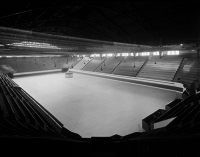
The merger of Canada's largest Protestant denominations on June 10, 1925, created the United Church of Canada from the union of Methodists, Congregationalists, and a majority of Presbyterians. The ceremony at Mutual Street Arena in Toronto brought together nearly one million members under one denomination. A significant minority of Presbyterians refused to join and continued as the Presbyterian Church in Canada. The United Church became the largest Protestant denomination in Canada and one of the most theologically progressive, ordaining women in 1936 and openly gay and lesbian ministers in 1988. The church played a significant role in Canadian social movements, advocating for universal healthcare, workers' rights, and reconciliation with Indigenous peoples, while also confronting its complicity in the residential school system.
June 10, 1925
101 years ago
Key Figures & Places

What Else Happened on June 10

Emperor Tenji of Japan established the Rokoku water clock at the Omi Palace in Otsu on June 10, 671 AD, standardizing timekeeping for the imperial court. The wa…
Frederick I Barbarossa drowned in the Saleph River while leading his massive army toward Jerusalem, shattering the Holy Roman Empire’s momentum in the Third Cru…
Pope Honorius III issued the bull Vineae Domini custodes, formally authorizing Dominican friars to carry their missionary work to Morocco. The papal endorsement…
Ottoman forces under Orhan Gazi crushed the Byzantine army at the Battle of Pelekanon, ending imperial control over Bithynia. This defeat stripped Constantinopl…
An empire lost Asia Minor not in a great clash of armies, but in a single afternoon's retreat. At Pelekanon, near Nicomedia, Emperor Andronikos III faced the Ot…
Peasants nearly took France. Not metaphorically — they burned castles, killed nobles, and sent the aristocracy fleeing for their lives. The Jacquerie uprising o…
Talk to History
Have a conversation with historical figures who witnessed this era. Ask questions, explore perspectives, and bring history to life.