

Iceland Becomes Republic: Independence from Denmark
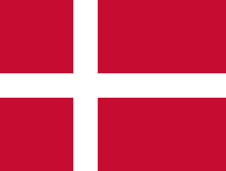
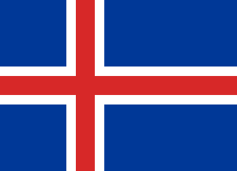
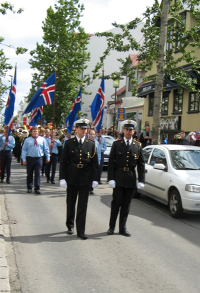
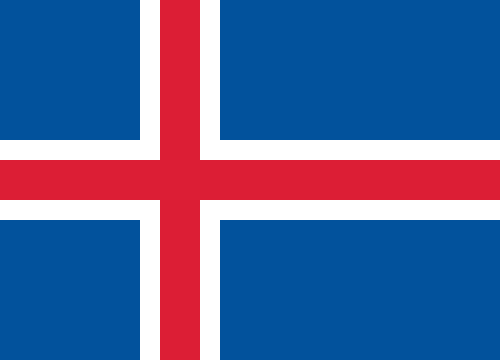
Iceland formally dissolved its union with Denmark on June 17, 1944, establishing the Republic of Iceland through a national referendum that passed with 97% approval. The date was chosen to honor Jon Sigurdsson, the 19th-century independence leader born on June 17, 1811. The timing was strategic: Denmark was under Nazi occupation and unable to object. Iceland had been granted sovereignty in 1918 under a personal union with the Danish crown, sharing only a monarch. The American and British military presence in Iceland during the war had already demonstrated that the island could function independently. Sveinn Bjornsson became the first president. Denmark recognized the republic after its liberation in 1945. Iceland's strategic location made it a valuable NATO member during the Cold War, and its extensive fishing grounds became the basis of its economic prosperity.
June 17, 1944
82 years ago
Key Figures & Places



What Else Happened on June 17
A pope was arrested for refusing to say Christ had only one will. That was the crime. Martin I had convened the Lateran Council in 648, gathering 105 bishops to…
King Louis IX ordered the public incineration of twenty-four carriage loads of Talmudic manuscripts in Paris, following a rigged trial against Jewish scholars. …
Finland's most important medieval church almost didn't happen in Turku at all. Bishop Magnus I had been working for decades to establish a permanent cathedral f…
One woman ruled three kingdoms without ever holding the title of queen. Margaret I engineered the Kalmar Union in 1397, binding Denmark, Norway, and Sweden unde…
Vlad III rode straight into the Ottoman camp with 7,000 men at night, hunting one specific person: Mehmed II, the conqueror of Constantinople. He got close. Not…
King Henry VII’s royal army crushed the Cornish rebels at Deptford Bridge, ending their march on London. By dismantling this tax-driven uprising, the King secur…
Talk to History
Have a conversation with historical figures who witnessed this era. Ask questions, explore perspectives, and bring history to life.