

Darwin Publishes Natural Selection: A Theory Transforms Biology
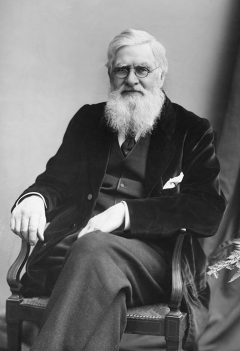
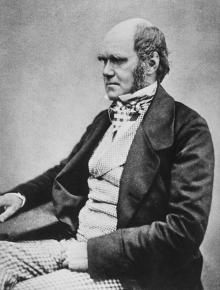
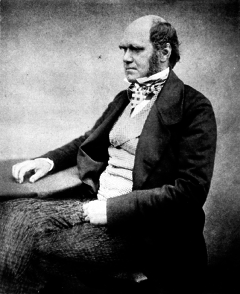
Alfred Russel Wallace mailed a manuscript to Charles Darwin from the Malay Archipelago in early 1858, describing a theory of natural selection remarkably similar to the one Darwin had been developing for twenty years but never published. Darwin was devastated, writing to his friend Charles Lyell, "All my originality, whatever it may amount to, will be smashed." Lyell and Joseph Hooker arranged a compromise: papers by both Darwin and Wallace were read at the Linnean Society on July 1, 1858. Neither man was present. The response was muted; the Society's president noted "nothing very revolutionary." Darwin rushed to complete On the Origin of Species, published in November 1859. Wallace graciously acknowledged Darwin's priority and the two maintained a warm friendship. Wallace never received the recognition his co-discovery deserved.
June 18, 1858
168 years ago
Key Figures & Places


What Else Happened on June 18

Li Yuan, Duke of Tang, forced the abdication of the last Sui emperor and established the Tang Dynasty on June 18, 618 AD. His son Li Shimin (later Emperor Taizo…
Uthman ibn Affan was murdered by rebels in his own home, and suddenly Islam's most powerful office sat empty. Ali ibn Abi Talib — the Prophet Muhammad's cousin …
200 ships appeared without warning in the Bosphorus, and Constantinople had almost no navy left to stop them. Emperor Michael III was away campaigning in Asia M…
The Pope led an army into battle and lost. Leo IX personally marched against the Normans in southern Italy, convinced God would deliver victory. He was wrong. H…
Five monks in Canterbury looked up and watched the Moon split open. On June 18, 1178, they described a flaming torch spewing fire, hot coals, and sparks — the l…
Ireland's first parliament didn't meet in a grand capital. It met in Castledermot — a small monastic town in Kildare, barely a dot on the map. Anglo-Norman lord…
Talk to History
Have a conversation with historical figures who witnessed this era. Ask questions, explore perspectives, and bring history to life.