

Pendleton Act: Merit Replaces Political Patronage
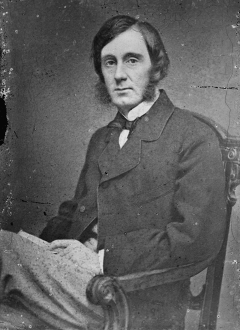
Chester Arthur was the last person anyone expected to reform government hiring. He had risen through New York's notorious patronage machine as Collector of the Port, a position he used to reward political allies with lucrative customs jobs. But after President Garfield was assassinated by a disappointed office seeker in 1881, public outrage demanded change, and Arthur surprised everyone by championing the Pendleton Civil Service Reform Act. Signed on January 16, 1883, the law created a merit-based system requiring competitive examinations for federal positions. It initially covered only about ten percent of government jobs but included a provision allowing presidents to expand coverage. By the end of the century, most federal positions were under civil service protection. The man who had profited most from the spoils system became the one who dismantled it.
January 16, 1883
143 years ago
Key Figures & Places





What Else Happened on January 16
She ruled Egypt as a pharaoh when women weren't supposed to wear the crown. Hatshepsut dressed as a man, complete with a fake beard, to legitimize her power - a…
A skinny, sickly 35-year-old just transformed the entire Roman world with a single title. Octavian — now Augustus — wasn't a hulking warrior, but a strategic ge…
Siyaj K'ak' didn't just conquer. He obliterated. Marching from Teotihuacán with an army that moved like obsidian blades through jungle, he dismantled Tikal's ru…
The city crumbled not to thundering armies, but to a whispered promise. Totila—cunning Gothic king—didn't just storm Rome's walls, he bought them. Twelve gold-h…
The most powerful monarch in medieval Europe wasn't in Paris or Constantinople. He was in Spain. Abd-ar-Rahman III transformed a regional emirate into a dazzlin…
The Crusader Kingdom wasn't just swords and holy wars—it was paperwork. Lawyers and priests gathered in Nablus to draft 25 precise legal codes that would govern…
Talk to History
Have a conversation with historical figures who witnessed this era. Ask questions, explore perspectives, and bring history to life.