

Poltava Decided: Peter the Great Crushes Sweden
Charles XII had already won nine battles against larger armies. Then at Poltava, on June 27th, 1709, he attacked with 24,000 Swedes against Peter's 45,000 Russians—while nursing a foot wound so severe he commanded from a stretcher. Eight hours later, 9,000 Swedes lay dead. Charles fled to Ottoman territory with just 1,500 men. Sweden's Baltic empire, built over a century, collapsed in a single morning. The teenager who'd terrified Europe became a footnote, while Russia became the power nobody had seen coming.
July 8, 1709
317 years ago
Key Figures & Places
Sweden
Wikipedia
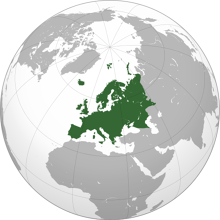
Europe
Wikipedia
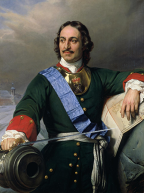
Peter the Great
Wikipedia
Charles XII of Sweden
Wikipedia
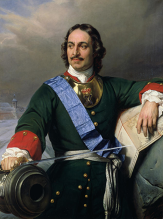
Peter I of Russia
Wikipedia
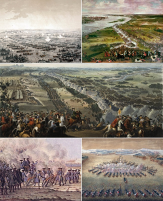
Great Northern War
Wikipedia
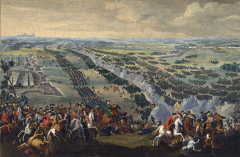
Battle of Poltava
Wikipedia

Poltava
Wikipedia

Peter the Great
Wikipedia

Charles XII of Sweden
Wikipedia
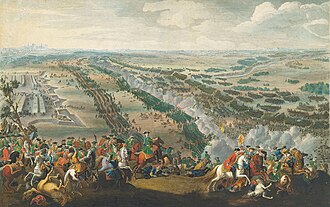
Battle of Poltava
Wikipedia

Great Northern War
Wikipedia

Tsardom of Russia
Wikipedia
Sweden
Wikipedia

Europe
Wikipedia
What Else Happened on July 8
Fifteen thousand starving Crusader soldiers marched barefoot around Jerusalem's walls in a religious procession while Muslim defenders watched from the ramparts…
The Byzantine army slaughtered 15,000 Hungarian soldiers at Sirmium in a single afternoon. Manuel I Komnenos had lured King Stephen III's forces into the marshl…
Roger of Lauria's galleys trapped the Angevin relief fleet in Malta's Grand Harbor before a single soldier could disembark. June 8, 1283. The Provençal commande…
Four ships. That's what Vasco da Gama commanded when he left Lisbon on July 8, 1497, chasing a sea route to India's spice markets. His crew of 170 men faced ten…

A young girl unearthed the icon of Our Lady of Kazan from the ashes of a devastating fire, and the image quickly became the most venerated in the Russian Orthod…
Charles II granted a royal charter to Rhode Island, formally establishing the colony as a haven for religious dissenters. By guaranteeing freedom of conscience,…
Talk to History
Have a conversation with historical figures who witnessed this era. Ask questions, explore perspectives, and bring history to life.