

Battle of the Boyne: Protestant Victory Shapes Ireland
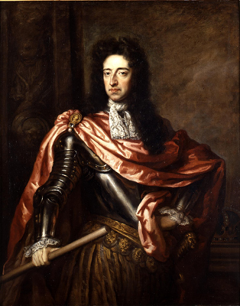
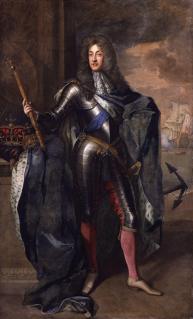
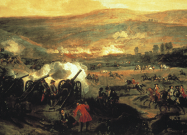
William of Orange landed in Ireland with a multinational army of English, Dutch, Danish, and Huguenot troops to confront the Catholic forces of the deposed King James II at the River Boyne on July 12, 1690. William's Dutch Blue Guards forced a crossing at a shallow ford while James watched from a nearby hill, and the Jacobite army crumbled after their best infantry was routed. James fled to Dublin and then to France, earning the Irish nickname "Seamus an Chaca" (James the Coward). The Protestant victory established the political and religious order that would define Ireland for centuries, and the Battle of the Boyne remains the most celebrated date in Ulster Unionist culture.
July 12, 1690
336 years ago
Key Figures & Places
What Else Happened on July 12
Titus's legions smashed through Jerusalem's battered walls three days after breaching the perimeter, unleashing a fire that consumed the Second Temple. This des…
King Æthelstan of England secured the submission of Scotland's Constantine II, Wales' Hywel Dda, and northern leaders Ealdred and Owain at a meeting that ended …

Athelstan, grandson of Alfred the Great, forced Constantine II of Scotland to submit at Eamont Bridge in July 927, compelling the Scottish king to pledge loyalt…
Saladin’s garrison surrendered Acre to King Philip II of France, concluding a brutal two-year siege that claimed thousands of lives. This victory secured a vita…
Pope Benedict XII issued the papal bull Fulgens sicut stella matutina on July 12, 1335, to enforce stricter discipline within the Cistercian Order. This decree …
The Venetians called it Negroponte—their richest colony, holding the narrows between mainland Greece and Euboea. Sultan Mehmed II brought 100,000 men and siege …
Talk to History
Have a conversation with historical figures who witnessed this era. Ask questions, explore perspectives, and bring history to life.