

Saddam Seizes Power: Iraq's Dictator Takes Control
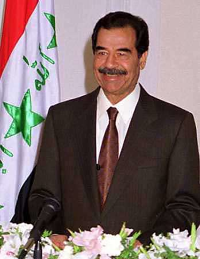
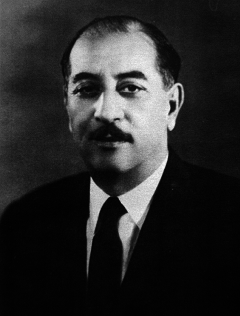
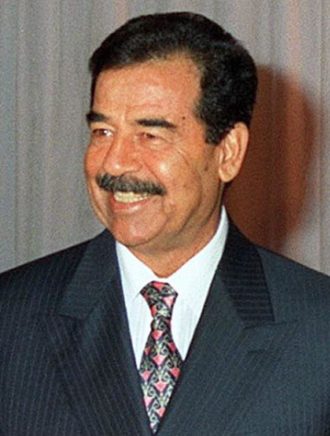
Saddam Hussein had been the effective power behind President Ahmed Hassan al-Bakr for years, running Iraq's intelligence services and oil nationalization program while his aging cousin held the ceremonial role. On July 16, 1979, Bakr was forced to resign due to "health reasons" and Saddam formally assumed the presidency. Within days, Saddam convened a televised meeting of the Ba'ath Party where he read names from a list while weeping. Those named were escorted out of the room one by one. Some were executed. The message was clear: loyalty or death. Within a year, Saddam would invade Iran, beginning an eight-year war that killed over a million people.
July 16, 1979
47 years ago
Key Figures & Places



What Else Happened on July 16
Muhammad left Mecca with a handful of followers in September 622, walking 280 miles north to Medina to escape assassination. The journey itself wasn't remarkabl…
Tsar Samuel's Bulgarian forces crumble against Nikephoros Ouranos's Byzantine army at the Spercheios River, ending his decade-long campaign to reclaim Macedonia…
The papal bull wasn't even valid—Pope Leo IX had died three months earlier. But Cardinal Humbert didn't know that when he marched into Hagia Sophia on July 16, …
Alfonso VIII watched 60,000 Christian knights gather at Toledo—the largest crusader army ever assembled on Iberian soil. On July 16, 1212, they met Muhammad al-…
Two years. That's how long the Catholic Church waited after Giovanni di Pietro di Bernardone died before declaring him a saint—the fastest canonization in medie…
Arjona’s declaration of independence thrust Muhammad ibn Yusuf into leadership, launching a career that would eventually forge the Nasrid Emirate of Granada. Th…
Talk to History
Have a conversation with historical figures who witnessed this era. Ask questions, explore perspectives, and bring history to life.