

Zeppelin Raids Begin: Britain Faces First Aerial Bombs
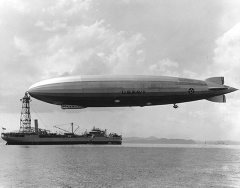
German Zeppelin airships crossed the North Sea and dropped explosive and incendiary bombs on Great Yarmouth and King's Lynn on the night of January 19, 1915, killing four people and injuring sixteen. The damage was minimal but the psychological impact was enormous. For the first time since the Norman Conquest, England was under attack from a foreign power. The raids shattered the assumption that the English Channel provided absolute protection from continental warfare. Britain had virtually no air defenses: no searchlights, no anti-aircraft guns, no fighter aircraft capable of reaching Zeppelin altitude. The government initially tried to suppress news of the attacks to prevent panic. Over the following months, Zeppelin raids intensified, eventually reaching London. The cumulative effect was to pioneer the concept of strategic bombing, targeting civilian morale rather than military objectives.
January 19, 1915
111 years ago
Key Figures & Places



What Else Happened on January 19
Twelve legions. A single moment. When Gratian tapped Theodosius to command Rome's entire eastern frontier, he wasn't just promoting a general—he was handing ove…
Clovis II ascended the throne of Neustria and Burgundy at age five, following the death of his father, Dagobert I. His long minority empowered the palace mayors…
Twelve days into the siege, water ran low. The Kucha defenders watched their wells shrink, their hope evaporating faster than their precious liquid. Ashina She'…
Rouen surrendered to Henry V after a brutal six-month siege, placing the heart of Normandy under English control. This victory dismantled the last major bastion…
The Byzantine throne wasn't big enough for just one Palaiologos. John VIII, barely out of his teens, was thrust into imperial politics through a strategic marri…
The tiny Duchy of Mirandola didn't go quietly. When Pope Julius II's armies rolled in, the Pico family—Renaissance intellectuals who'd made their court a haven …
Talk to History
Have a conversation with historical figures who witnessed this era. Ask questions, explore perspectives, and bring history to life.