

First U.S. Patent Issued: Innovation's Legal Dawn
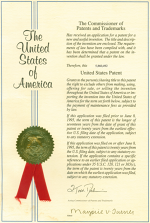
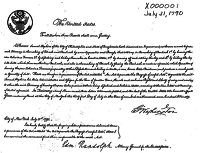
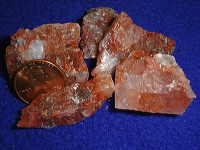
Samuel Hopkins received U.S. Patent No. 1 on July 31, 1790, for an improved method of making potash and pearl ash, chemicals essential for fertilizer, soap, and glass production. President George Washington signed the patent personally, as did Attorney General Edmund Randolph and Secretary of State Thomas Jefferson. The Patent Act of 1790 had been passed just three months earlier, making the United States one of the first nations to establish a formal system protecting intellectual property. The law reflected the Founders' belief that innovation required economic incentive. Jefferson himself examined early patent applications, though he found the work tedious. The system Hopkins inaugurated now processes over 600,000 applications annually.
July 31, 1790
236 years ago
Key Figures & Places
patent
Wikipedia

U.S.
Wikipedia
Samuel Hopkins (inventor)
Wikipedia
potash
Wikipedia

Patent
Wikipedia

Samuel Hopkins (inventor)
Wikipedia

Potash
Wikipedia

United States
Wikipedia

Kaliumcarbonat
Wikipedia
President
Wikipedia
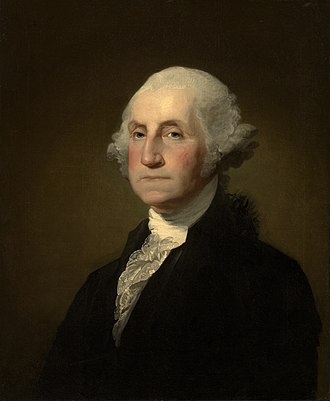
George Washington
Wikipedia

United States Secretary of State
Wikipedia

Thomas Jefferson
Wikipedia
What Else Happened on July 31

Mark Antony controlled the eastern half of the Roman world, commanded a powerful fleet, and had the wealth of Egypt behind him through his alliance with Cleopat…
Mount Fuji erupted for the first recorded time, spewing ash and debris that blanketed the surrounding plains. This geological event forced local communities to …
Ash rained down on the surrounding plains as Mount Fuji erupted for the first time in recorded history. This event established the volcano’s status as an active…
The largest naval raid in Byzantine history arrived with 54 Arab ships commanded by Leo of Tripoli, a Greek convert to Islam who knew exactly which harbor defen…
Pietro Martino Boccapecora took the name Sergius IV when he became pope — but everyone still called him "Pig's Snout" behind his back. His birth name meant exac…
John Komnenos weighed so much his nickname became official imperial record. The Fat, as Byzantine chronicles called him, tried to seize the throne from Alexios …
Talk to History
Have a conversation with historical figures who witnessed this era. Ask questions, explore perspectives, and bring history to life.