

Greenwich Observatory Laid: Time Gets a Standard
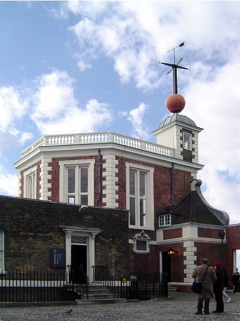
King Charles II laid the foundation stone for the Royal Observatory at Greenwich on August 10, 1675, commissioning John Flamsteed as the first Astronomer Royal with a salary of 100 pounds per year and no budget for instruments. Flamsteed had to provide his own. The observatory's purpose was solving the longitude problem: without accurate star charts, ships couldn't determine their east-west position at sea, leading to catastrophic navigation errors and shipwrecks. Greenwich eventually became the reference point for global timekeeping when the International Meridian Conference of 1884 established the Prime Meridian at 0 degrees longitude through the observatory. Every time zone on Earth is measured from this building.
August 10, 1675
351 years ago
Key Figures & Places


What Else Happened on August 10
Nineveh fell in 612 BCE. The Assyrian Empire had been the most powerful military machine in the ancient Near East for centuries — they used mass deportations, s…
The Prophet Muhammad received his first revelation from the angel Jibril within the cave of Hira, initiating the descent of the Qur'an. This night, known as Lay…
Pope Eugene I was elected in 654 while his predecessor Martinus I was still alive in exile — arrested by the Byzantine Emperor for opposing imperial theology. E…
The Battle of Lechfeld in 955 ended fifty years of Magyar raids into Western Europe. Otto I of Germany met a Magyar force on the Lech River with a cavalry charg…
The Battle of Maldon in 991 is famous because it failed so completely and someone wrote a poem about it. The English earl Bryhtnoth faced a Viking raiding party…
Byzantine Emperor Romanos III Argyros flees the Battle of Azaz after his forces crumble against the Mirdasid rulers of Aleppo, barely escaping capture during th…
Talk to History
Have a conversation with historical figures who witnessed this era. Ask questions, explore perspectives, and bring history to life.