

Yarmouk: Arab Armies Crush Byzantium, Reshape History
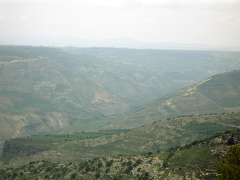
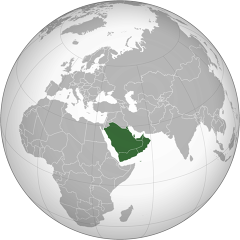
Khalid ibn al-Walid, whom Muhammad had nicknamed "The Sword of God," led Arab Muslim forces against a Byzantine army at the Battle of Yarmouk on August 20, 636. The engagement lasted six days on a plain between the Yarmouk River and its tributaries. Khalid exploited sandstorms, cavalry feints, and the Romans' inability to retreat across the ravine behind them. When the Byzantine line broke, thousands of soldiers fell into the gorge. The defeat permanently ended Byzantine control over Syria, Palestine, and eventually Egypt. The conquest brought Arabic language, Islamic religion, and new administrative systems to a region that had been under Greco-Roman influence for nearly a thousand years.
August 20, 636
1390 years ago
Key Figures & Places

What Else Happened on August 20
Agrippa Postumus, the last surviving grandson of Augustus, was executed by his guards while in exile on the island of Planasia — almost certainly on orders from…
Tsar Simeon I crushed the Byzantine army at the Battle of Acheloos, ending the empire's dominance in the Balkans. This victory forced Constantinople to recogniz…

Pope Sylvester II sent a crown to Stephen I of Hungary, who was crowned on Christmas Day in the year 1000 (or possibly January 1, 1001), transforming a confeder…
Pope Gregory VII elevates Stephen I and his son Emeric to sainthood, transforming their legacy from royal rulers into spiritual patrons. This 1083 decree cement…
Pope Gregory VII canonized King Stephen I and his son Emeric, formalizing the Christian identity of the Hungarian state. By elevating the Arpad dynasty to saint…
Richard I of England orders the execution of 2,700 Muslim soldiers and 300 women and children at Ayyadieh after accusing Saladin of reneging on ransom promises.…
Talk to History
Have a conversation with historical figures who witnessed this era. Ask questions, explore perspectives, and bring history to life.