

Vesuvius Erupts: Pompeii Buried in Ash
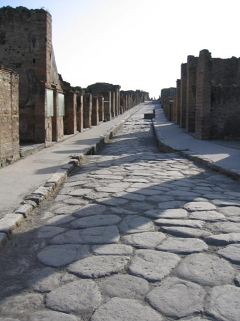
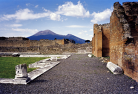
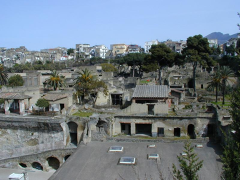
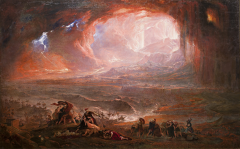
Mount Vesuvius erupted on August 24, 79 AD, burying the Roman cities of Pompeii and Herculaneum under roughly 20 feet of volcanic ash and pumice. Pliny the Younger, watching from across the Bay of Naples, recorded the event in letters that remain the first detailed eyewitness account of a volcanic eruption. His uncle, Pliny the Elder, sailed toward the eruption to rescue friends and died from the toxic gases. Pompeii's roughly 11,000 inhabitants had roughly 18 hours to flee, and most did. Those who remained were killed by pyroclastic surges reaching temperatures of 300 degrees Celsius. The ash preserved the city in extraordinary detail: food on tables, graffiti on walls, bodies in their final moments.
August 24, 79
1947 years ago
Key Figures & Places

What Else Happened on August 24
Gaius Scribonius Curio crossed into Africa in 49 BC with two legions, chasing Pompey's allies, certain he had the upper hand. He didn't. Publius Attius Varus ha…
Valentinian I elevated his eight-year-old son Gratian to the rank of co-Augustus, formalizing a dynastic succession plan to secure the imperial throne. This mov…
The last known inscription in Egyptian hieroglyphs was carved at the Temple of Isis on the island of Philae in 394 AD, a dedication by a priest named Esmet-Akho…
Alaric I and his Visigoth forces breached the Salarian Gate, initiating the first sack of Rome in eight centuries. This collapse of the city’s perceived invulne…
Vandal king Genseric led his forces into Rome in 455 AD, and Pope Leo I negotiated a deal: no killing, no burning, in exchange for the gates being opened. The V…
Norman forces sacked Thessalonica, the Byzantine Empire's second-largest city, in 1185 during a brutal raid that killed thousands of Greek civilians. The attack…
Talk to History
Have a conversation with historical figures who witnessed this era. Ask questions, explore perspectives, and bring history to life.